
 EN
EN
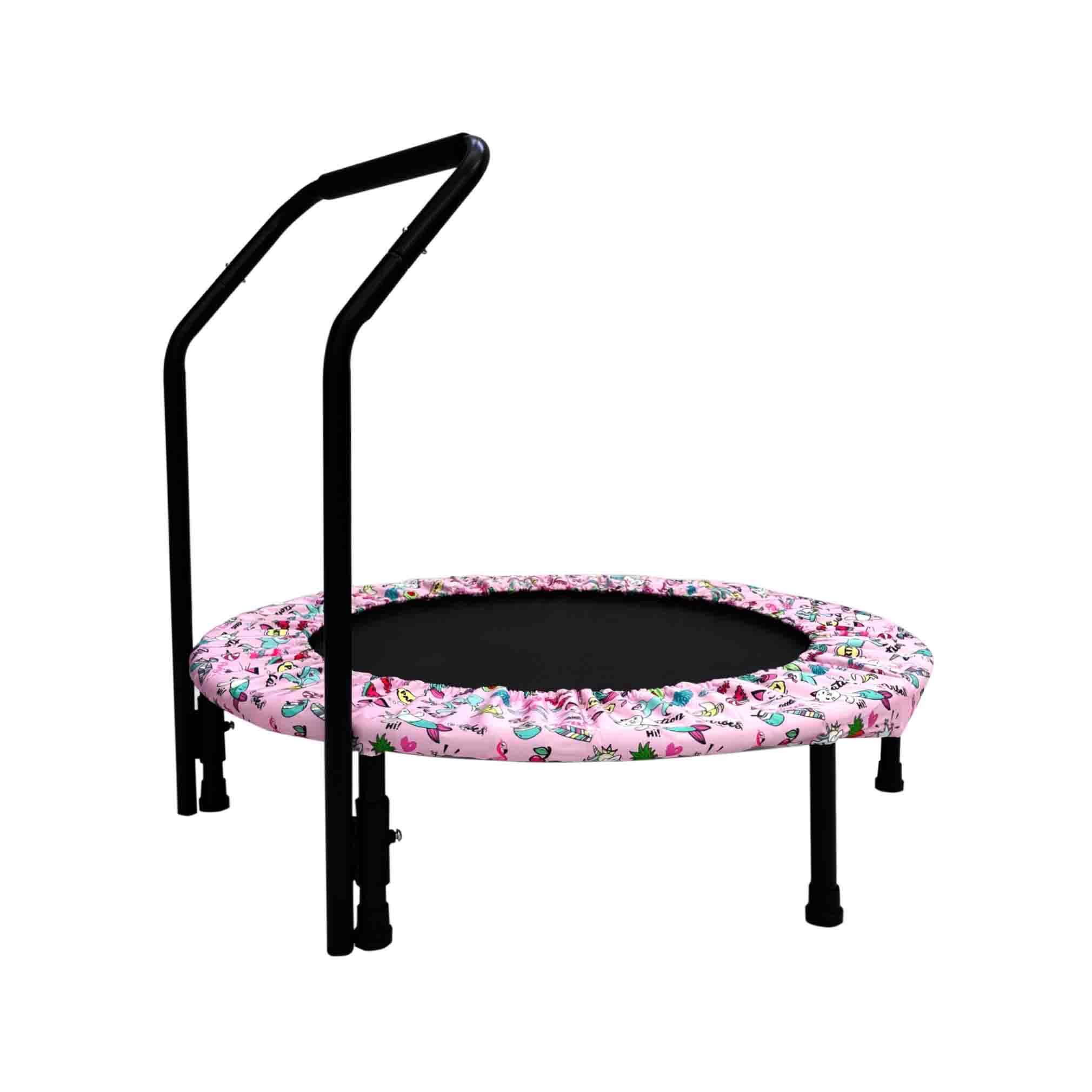
Як батути без пружин усувають основні причини дитячих травм на батутах
Видалення оголених пружин і проржавілих рам: усунення 36% травм, про які повідомляють у травмпунктах
Традиційні батути оснащені металевими пружинами, які можуть прищемити пальці рук і ніг, а також становлять реальну небезпеку отримання травм під час неправильного приземлення. Сучасні моделі без пружин повністю усувають цю проблему, замінюючи металеві котушки гнучкими композитними стрижнями під поверхнею для стрибків. Це логічно, адже статистика свідчить, що контакти з пружинами чи елементами рами призводять до того, що дітей все частіше доставляють до відділень невідкладної допомоги. За даними CPSC із звіту 2022 року «Огляд стану травматизму», інциденти, пов’язані з пружинами, становлять більше третини всіх дитячих травм на батутах, які лікуються в лікарнях по всій країні. Батьки починають помічати цю тенденцію, і багато хто переходить на безпечніші альтернативи задля спокою.
Усунення місць защемлення за рахунок гнучких стрижнів замість жорстких пружинних гачків
Системи гойдання на основі стрижнів усувають ті неприємні точки стискання, які так часто зустрічаються у традиційних пружинах із намотуванням. Тоді як стандартні жорсткі гачки схильні зачеплювати маленькі пальці рук або ніг, коли наповнювач зміщується, ці закриті конструкції на основі стрижнів забезпечують міцне та надійне кріплення без будь-яких небезпечних виступаючих металевих частин. Така конструкція також значно покращує безпеку, оскільки запобігає серйозним травмам стиснення, коли пружини несподівано стискаються, а також усуває порізи від іржавих або пошкоджених частин, що відламуються. Згідно з деякими тестами, згаданими в звіті CPSC минулого року, перехід на гнучкі системи зі стрижнями скорочує випадки затискання рук і ніг приблизно на 80 відсотків порівняно зі старими моделями на основі пружин. Це цілком логічно, якщо врахувати, наскільки сучасні дитячі ігрові зони мають бути безпечнішими.
Конструкція з прихованою рамою зменшує тяжкість уражень під час падіння (підтверджено ASTM F2970)
Шляхом переміщення несучого каркаса під стрибкову поверхню тримпліни без пружин утворюють захисний бар'єр між користувачами та твердими краями. Ця конфігурація відповідає стандартам безпеки ASTM F2970 щодо зменшення ударного навантаження, знижуючи силу зіткнень до 30% під час падінь. Дані тестів показують:
| Показник безпеки | Традиційний трамплін | Дизайн без пружин |
|---|---|---|
| Травми від контакту з каркасом | 28% інцидентів | Менше 4% |
| Серйозність ураження голови | Високий ризик | на 62% менша сила удару |
Потоплений каркас працює разом із матами, що поглинають удари, для мінімізації ризиків отримання травм під час ненавмисних приземлень.
Клінічні докази: Зменшення кількості травм на тримплінах без пружин у дітей віком 5–14 років
на 42% менше візитів до відділень невідкладної допомоги порівняно з традиційними тримплінами (CPSC 2022)
Діти віком від 5 до 14 років потрапляють до відділення невідкладної допомоги на 42 відсотки рідше, коли стрибають на батутах без пружин, а не на тих старомодних моделях, де пружини розташовані всюди, згідно з даними, зібраними Комісією з безпеки споживчих товарів у їхньому національному звіті про травми за 2022 рік. Що робить ці новіші моделі безпечнішими? У них є спеціальні функції безпеки, вбудовані безпосередньо в конструкцію. Замість металевих пружин, які виступають скрізь, виробники тепер використовують гнучкі композитні стрижні та приховують більшу частину рами, щоб нічого небезпечного не виступало там, де дитина може поранитися. Ці зміни є логічними, адже ми знаємо, скільки порізів і переломів виникає просто від контакту з оголеними пружинами звичайних батутів. І це не лише теорія; реальні цифри це підтверджують після аналізу близько 3200 травм серед дітей по всій країні.
Різке зниження травм від контакту з пружинами/рамою: з 28% до менше ніж 4% у контрольованих випробуваннях
Дослідження показують, що травми, пов’язані з пружинами та рамою, значно зменшуються — з приблизно 28% до менш ніж 4%, коли використовуються батуты без пружин. Традиційні моделі з жорсткими металевими пружинами часто призводять до того, що пальці потрапляють у місця стискання, що може спричинити серйозні травми. Моделі без пружин вирішують цю проблему, оскільки використовують гнучкі стрижні. Ці стрижні забезпечують постійне натягнення на протязі всього стрибка і не мають гострих країв. Випробування з участю приблизно 1500 дітей показали вражаюче зниження травм від зіткнень — близько 89%. Ще однією перевагою безпеки є те, що рама розташована під місцем стрибків, тому діти не налітають на неї, коли падають. Завдяки цим удосконаленням конструкції, зараз найпоширенішими типами невеликих травм є синці, а не переломи кісток.
Інженерія безпеки, орієнтована на дітей: основні переваги конструкції батутів без пружин
Знижена висота стрибків і цілісний огороджувальний пристрій зменшують кількість падінь на 61 % (дослідження Springfree®, 2023)
Батутні конструкції з вільною пружиною роблять акцент на безпеці дітей, обмежуючи висоту стрибків і додаючи гнучку огорожу по краях. Згідно з дослідженням минулого року, кількість випадків падіння дітей із цих новіших моделей була приблизно на 60% меншою порівняно зі звичайними пружинними батутами. Діти краще утримують рівновагу під час стрибків, оскільки відскакування менш інтенсивне, а також завдяки вбудованому бар'єру, який перешкоджає випадковому скочуванню з боку. Замість старих металевих рам, ці батути використовують гнучкі композитні стрижні, що утворюють м’який край, який фактично поглинає частину ударного навантаження. Виробники створили цю конструкцію, щоб позбутися гострих кутів і твердих ділянок, які були відзначені під час тестування стандартів безпеки (наприклад, ASTM F2970). У результаті ми отримуємо безпечніший простір для гри, де енергія повільно поглинається спеціальними матеріалами покриття, що означає менше навантаження на маленькі суглоби та м'якші приземлення, навіть коли діти активно стрибають.
За межами сертифікації: чому стандарт ASTM F2970 недостатній для безпеки дітей до 10 років
ASTM F2970 встановлює певні базові правила безпеки для батутів, але, чесно кажучи, мало що робить для забезпечення безпеки дітей молодше десяти років. Стандарт переважно зосереджений на міцності батута та запобіганні загальним падінням, повністю ігноруючи те, що відрізняє маленьких дітей від старших. Діти менші за розміром, легші та мають вищий центр ваги, що означає більшу ймовірність травмувати шию або отримати ушкодження хребта під час падіння. Чого не вистачає в ASTM F2970? Вимог до спеціальних функцій, які краще захищали б маленьких стрибунів. Згідно з дослідженнями, такі речі, як зниження висоти стрибка або додатково товсті подушки, можуть скоротити кількість ушкоджень голови та шиї приблизно на 30%. Саме тому сьогодні стають популярними батути без пружин. Вони виходять за межі простого дотримання мінімальних стандартів, використовуючи технології, такі як амортизуючі планки та м'якіші поверхні для приземлення, розроблені спеціально з урахуванням того, як рухаються та ростуть діти. Те, що продукт відповідає рекомендаціям ASTM, ще не означає, що він справді безпечний для дітей. Адже діти — це не просто маленькі версії дорослих; їхнім тілам потрібні інші види захисту, засновані на особливостях їхнього фізичного розвитку.
ЧаП
Які основні переваги безпеки батутів без пружин?
Батути без пружин не мають металевих пружин, що зменшує небезпечні точки защемлення та травми від ударів. Вони використовують гнучкі композитні стрижні та приховані рами для мінімізації ризиків, завдяки чому скорочується кількість випадків звернення до екстреної допомоги.
Як батути без пружин зменшують силу удару?
Оскільки рама розташована нижче стрибкової поверхні й використовуються матеріали, що поглинають удар, батути без пружин зменшують силу зіткнення під час падіння до 30%, згідно зі стандартами безпеки ASTM F2970.
Чи є батути без пружин кращим варіантом для дітей молодше десяти років?
Так, батути без пружин розроблено з додатковими функціями безпеки, такими як менша висота стрибка та м'якіші поверхні для приземлення, що забезпечує кращий захист, адаптований саме для маленьких дітей.
Зміст
- Як батути без пружин усувають основні причини дитячих травм на батутах
- Клінічні докази: Зменшення кількості травм на тримплінах без пружин у дітей віком 5–14 років
- Інженерія безпеки, орієнтована на дітей: основні переваги конструкції батутів без пружин
- За межами сертифікації: чому стандарт ASTM F2970 недостатній для безпеки дітей до 10 років
- ЧаП