
 EN
EN
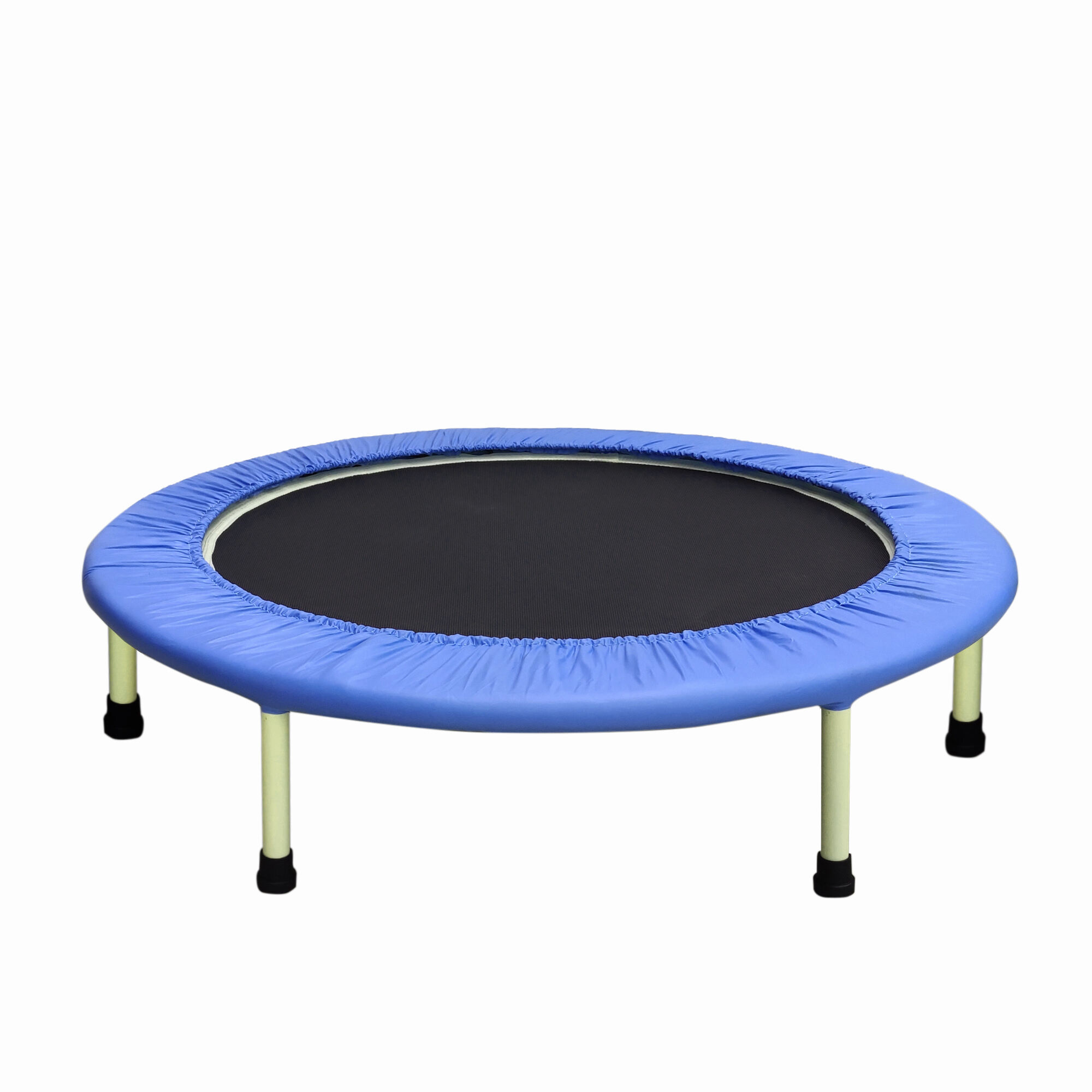
The Science Behind Yoga and Trampoline Synergy
How Yoga Enhances Mind-Body Awareness
Yoga really helps boost mind-body awareness something anyone knows who's ever tried doing anything physical without paying attention to what their body needs. The actual practice gets people connected mentally to their bodies, making them notice how they move and breathe during each pose. Studies have shown folks who do yoga regularly tend to get better at sensing where their body is in space, which means better balance overall. The mindfulness aspect of yoga also sharpens concentration quite a bit, something super important for activities that require both coordination and quick thinking, like jumping on a trampoline. When someone combines the focused mindset from yoga sessions with actual trampoline work, they find themselves able to stay centered while moving fast, almost like having an internal GPS guiding every bounce and twist.
The Role of Rebounder Trampolines in Fitness
More people are turning to rebounder trampolines these days as they search for ways to get fit without hurting their knees and hips. The springy surface takes pressure off joints while still giving a good workout. When someone does bungee style moves on one of these things, pretty much every major muscle group gets activated at once, which helps build heart health over time. Some research suggests folks can torch around 100 calories doing this stuff for only ten minutes flat. That kind of efficiency matters when time is tight. People who incorporate rebounding into their routine find themselves getting stronger all over without feeling like they've been through the wringer afterwards. For anyone wanting something fun yet beneficial for body and mind alike, these little bouncy platforms seem worth checking out.
Neurological Benefits of Combined Practices
When people combine yoga with trampoline workouts, they get some pretty interesting effects on the brain. Doing both together actually makes the body release those feel-good chemicals called endorphins, which helps lift moods and makes pain seem less intense during workouts. The brain connections also start working better when someone practices these different movements side by side. A recent study from Stanford found that mixing up physical activities like this actually boosts something called neuroplasticity, basically making the brain more adaptable over time. What's really cool is how yoga teaches concentration while trampolining demands quick reflexes. Put them together and the result is a workout that works both sides of the brain at once. People who try this combo often notice improvements in balance and mental clarity that go beyond regular exercise routines. It's kind of like giving the whole person a tune-up rather than just focusing on muscles or cardiovascular health alone.
Physical Benefits of Yoga and Trampoline Workouts
Improved Balance and Coordination
Doing yoga poses on a trampoline really works those dynamic balance muscles and helps people get better at coordinating their movements. When someone practices on an unstable surface like a trampoline, they naturally pay closer attention to how their body moves and where they need to adjust their weight. This kind of training makes a big difference for anyone who does yoga regularly, but it's actually super important for athletes too, especially in sports that require quick changes of direction or maintaining stability while moving. People who stick with trampoline yoga often notice their coordination gets noticeably better over time, along with their general sense of balance. What makes this approach so great is that it combines physical challenge with mental engagement, making workouts feel less like work and more like play while still delivering real results.
Enhanced Flexibility and Core Strength
Combining yoga sessions with trampoline workouts gives people a great way to boost their flexibility while also working on core strength. When doing yoga, folks stretch slowly into various positions which helps keep their muscles supple over time. The trampoline part is totally different though it really works those abdominal muscles hard, something that makes standing straighter and moving around feel easier day to day. People who mix these two types of exercise often find they become much more flexible overall. Many fitness professionals suggest trying out both practices together because they hit different parts of the body at once, creating a well rounded routine that actually feels good when done regularly.
Low-Impact Cardiovascular Training
Trampolining is becoming really popular as a great way to get cardio without beating up the joints, making it work for people of pretty much any age or fitness level. The bounce gives all the heart pumping action without those hard landings that wear down knees and ankles over time. Many folks find they can stick with their fitness routine longer when they mix in some yoga moves while jumping around. Yoga helps take pressure off the joints during those intense moments on the trampoline. Most doctors say we should aim for about 150 minutes of moderate exercise each week anyway, so hopping on a trampoline counts toward that goal in a way that actually feels enjoyable rather than like punishment. Some gyms now offer classes that combine both activities, letting participants build better heart health while staying gentle on their bodies throughout the process.
Mental Health and Emotional Wellness Gains
Stress Reduction Through Dynamic Movement
Jumping around on a trampoline really helps knock down those stress levels because moving your body just plain old lets go of all that tension building up inside. When someone combines trampoline time with some gentle yoga poses, the whole package works wonders for winding down after a tough day at work or school. Studies point out that people who stay active regularly tend to have lower cortisol floating around in their systems, which means better mood stability over time. From what I've noticed personally, there's something almost magical about being weightless mid-air while laughing at myself trying to land properly. It doesn't take long before worries about bills or deadlines fade into background noise.
Boosting Mindfulness with Trampoline Yoga
Doing yoga on trampolines really brings mindfulness into play because it forces people to pay close attention to how their bodies move and control their breath. When someone is fully mindful during these exercises, they find it easier to progress through tricky trampoline yoga positions and generally perform better throughout their workout sessions. Research shows that regular mindfulness practice can actually reduce anxiety and help manage emotions better. From my experience, combining the bouncing fun of trampolines with mindful techniques creates something special - it helps reach that sweet spot between being aware of what's happening around us and staying focused on our own internal rhythm at the same time.
Combating Anxiety and Depression
Regular trampoline workouts seem to help reduce feelings of anxiety and depression quite a bit. When people mix yoga poses with bouncing on a trampoline, they often report feeling better mentally than just doing one activity alone. Doctors and researchers have noticed that switching between different kinds of exercise helps fight off bad moods naturally. I've found this works well for me personally. After a session where I alternate between gentle stretches and some light bouncing, I usually feel happier and more ready to tackle whatever comes next during the day. The combination creates something special that regular gym workouts just don't always deliver.
How to Safely Integrate Yoga into Trampoline Routines
Choosing the Right Indoor Trampoline Equipment
Picking out the right indoor trampoline matters a lot if we want to stay safe while getting our workout in. Look at things like how big it is, what kind of safety stuff comes with it, and how good the bounce feels before making a decision. Most people should go for models that have strong frames and those protective enclosures around them since they really cut down on accidental falls when jumping around. Also worth checking are the certifications these trampolines hold plus any warranty information because this tells us something about their build quality and whether they follow proper safety guidelines. Don't forget to verify load limits too they need to handle whatever weight requirements fit our particular exercise goals. Getting this part right sets everything else up properly for anyone wanting to do trampoline yoga without worrying about mishaps along the way. There are plenty of specialized versions available too, such as smaller kid friendly models designed specifically for children's play sessions.
Beginner-Friendly Poses for Rebounder Trampolines
Getting started with basic yoga moves really boosts confidence when bouncing on a trampoline and helps people become more aware of their bodies. Simple positions like Child's Pose and Cat-Cow work great for those just beginning because they help get a feel for proper posture and how to breathe correctly while moving. As balance gets better over time, adding in poses such as Tree Pose makes sense since it brings in some challenge without going too fast. Creating a regular practice schedule matters a lot too. Taking things step by step toward harder moves means fewer chances of getting hurt during transitions between levels. The whole point of starting with these foundational postures is to blend traditional yoga with trampoline fun in a way that actually works well together, giving folks all the good stuff from both worlds without feeling overwhelmed.
Safety Tips for Effective Practice
When mixing yoga poses with trampoline workouts, safety needs to come first every time. People should wear nonslip mats underfoot and grab some decent shoes that won't slip off during those tricky balances. Before jumping in, take a quick look at the trampoline frame, springs, and padding to make sure nothing looks worn out or damaged. For younger kids bouncing around indoors, having someone watch from nearby makes all the difference in keeping them from getting hurt while they learn. Teaching everyone involved about warming up properly before starting and cooling down afterwards helps avoid strains and sprains that often happen when people jump right into things. Regular safety checks might seem tedious at times, but they create peace of mind so folks can focus on their practice without worrying about accidents. Following these basic guidelines creates a safer space where both beginners and experienced jumpers can enjoy their sessions without unnecessary risks.
Maximizing Long-Term Mind-Body Results
Consistency Tips for Sustained Benefits
Creating a regular practice schedule for trampoline yoga really helps get the most out of both body and mind in the long run. When someone sticks with it consistently, they tend to see improvements in strength, flexibility, and overall awareness on a daily basis. Keeping track matters too. Some people write things down in journals, others prefer apps or simple charts stuck on walls somewhere visible. This kind of record keeping creates accountability and makes it easier to stay motivated when days get tough. Most instructors recommend mixing things up now and then, changing how long sessions last or adjusting how intense certain moves feel. That keeps folks interested and actually committed to what turns out to be an enjoyable yet surprisingly effective form of exercise for many different reasons.
Adapting Workouts for All Fitness Levels
A good workout plan should bend and stretch to fit different fitness levels so everyone can join in safely. When doing trampoline yoga, providing options matters a lot. Some folks might need to simplify certain poses or use props like blocks or straps to maintain proper form without strain. Others may want to crank things up with added resistance or longer holds. The beauty is that whether someone just started exercising or has been at it for years, they can still get something valuable out of each session. Don't forget to check in on your routine every few weeks too. Life changes, bodies change, and what worked three months ago might not be cutting it now. Regular tune-ups keep things relevant and effective over time.
FAQs: Kids Trampoline Activities and Beyond
Many parents worry about letting their kids jump around on trampolines, and honestly, those worries aren't unfounded. But if proper precautions are taken, there are actually quite a few good things that come out of it. Getting kids moving with some simple yoga moves while they bounce around helps them stay active without feeling like exercise. We've found that mixing these kinds of activities into our weekly family workouts creates some really special moments together. Just remember to keep an eye on them at all times and follow basic safety rules like checking the equipment regularly. With some common sense applied, trampoline time becomes both fun and something the whole family looks forward to doing together.