
 EN
EN
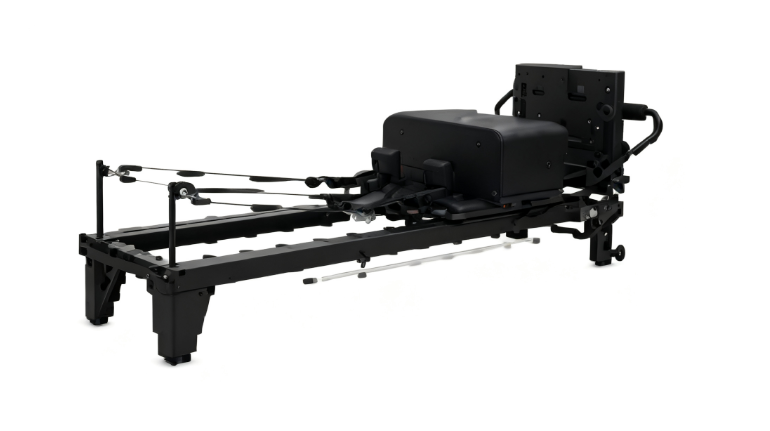
Understanding Studio-Grade Pilates Reformer Features
Key Differences Between Home and Studio-Grade Reformers
Pilates reformers designed for studios can handle serious commercial wear and tear. They come with strong steel frames, tough polyurethane ropes, and are made to last through hundreds of daily classes without breaking down. Home versions tell a different story though. Most only handle around 150 pounds max and start showing signs of wear much quicker when used regularly. A recent study published in the Sports Medicine Journal found that after five years on the floor, studio quality reformers kept about 97% of their original strength while home models dropped to roughly 62%. The pros get extra comfort features too. Things like adjustable foot bars that pivot, specially shaped shoulder supports, and those fancy 360 degree spring systems? Those are pretty much missing from most consumer grade equipment according to industry reports.
Essential Features Gyms Need in Professional Pilates Reformers
Commercial Pilates equipment must meet rigorous performance standards. The most critical components include:
- Commercial-grade springs: Rated for ¥50,000 cycles (versus 10,000 in home models)
- Reinforced carriage: Supports 400+ lbs with slip-resistant surfaces, meeting National Fitness Association guidelines
- Multi-position straps/towers: Enable over 20 exercise variations per session
Modular reformers that convert into Cadillac or tower configurations offer significant value by expanding class formats and reducing equipment costs by up to 40%, as noted in the 2023 Studio Equipment Review.
Types of Pilates Reformers Suitable for Commercial Use
| Type | Best For | Key Attributes | Maintenance Interval |
|---|---|---|---|
| Vertical Tower | Rehab/PT Facilities | Spinal decompression bars | Bi-annual service |
| Combo Reformer-Cadillac | Multi-discipline Studios | Spring redundancy system | Quarterly inspection |
| Portable Studio | Pop-Up Classes | 360° wheels, foldable frame (74% space savings) | Monthly bolt check |
For studios running 6–8 sessions daily, steel-core reformers are strongly recommended. Wood-frame models show 37% faster warping in humid environments, compromising long-term stability and safety.
Assessing Build Quality, Durability, and Materials for Heavy Use
Materials That Ensure Long-Term Durability in Commercial Settings
Gym equipment manufacturers know they need tough stuff when dealing with all those people coming and going from studios day after day. That's why most commercial reformers use aircraft grade aluminum for frames, paired with steel parts around 3 to 4 mm thick. These components get coated with special powders that stop rust from forming, which keeps everything aligned properly over time. Residential machines typically have much thinner steel at about 1.5 to 2 mm, so they just don't hold up as well when weights are thrown around. The straps matter too. Commercial quality polyurethane ones can keep almost all their strength even after being stretched thousands of times. A recent report from IHRSA in 2023 showed these straps maintain about 98% of original tension after 10,000 plus workouts. Makes sense really, since nobody wants to worry about breaking mid exercise.
Maintenance Requirements and Lifespan Under Frequent Use
No matter how sturdy they are built, even the toughest reformers need regular attention if they're going to stick around for years. Checking those springs every month, looking at the pulleys, and making sure the wheels on the carriage still roll smoothly can stop a lot of headaches down the road. Don't forget about replacing those straps once a year and giving the joints some lubrication every three months or so. That kind of basic maintenance really pays off in the long run. Commercial grade machines typically hang in there between 8 and 12 years when properly maintained, which is roughly triple what we see with home versions. Most shops find it makes sense to set aside somewhere between two hundred and four hundred dollars each year per machine for these kinds of preventive tasks. It might seem like money down the drain at first glance, but trust me, it saves a ton compared to dealing with breakdowns and expensive fixes later on.
Evaluating Cost vs. Value in Commercial Pilates Reformer Purchases
What Is the Real Cost of a Pilates Reformer for Gyms?
The initial price of a studio-grade reformer ($3,500–$8,000) represents only 60–70% of total ownership costs. Operators must also account for:
- Annual maintenance (12–18% of purchase price) for springs, carriage tuning, and lubrication
- Warranty extensions (20–30% premium) covering hydraulic components and straps
- Space optimization investments such as rolling bases or wall mounts to accommodate 4–8 units
A 2024 equipment financing study found that studios purchasing five or more reformers reduced per-unit costs by 22% through bulk discounts and consolidated shipping.
Balancing Quality and Budget: New vs. Used Reformers
Certified refurbished reformers can offer substantial savings, as commercial units lose 40–50% of their value within three years. However, buyers should verify:
- Frame Integrity: Aircraft-grade aluminum frames endure 15+ years of daily use, unlike residential frames that fail within two years under commercial loads
- Component Standardization: 80% of studio reformers use interchangeable parts from three major manufacturers, simplifying repairs
- Safety Certifications: Third-party inspection reports, often required for liability insurance, add $150–$300 to used purchases
As outlined in a commercial equipment guide, gyms focusing on client retention see a 300% higher ROI on premium reformers versus budget alternatives over five years.
Optimizing Space, Layout, and Workflow for Multiple Reformers
Space Planning and Storage Solutions for Gym Installations
Each studio-grade reformer requires 10x12 feet of clear floor space to allow full movement range and instructor access, per the 2023 Mindbody Wellness Report. Compact designs with vertical storage cut spatial needs by up to 35%, making them ideal for studios under 800 sq. ft.
| Studio Size | Max Reformers | Ideal Class Size |
|---|---|---|
| 600 sq. ft | 4–5 | 3–4 clients |
| 1,200 sq. ft | 8–10 | 6–8 clients |
Wall-mounted pulleys and rolling platforms increase layout flexibility, enabling quick transitions between private and group sessions. Facilities using vertically stacked storage report 28% faster room turnover than those with fixed setups.
Designing Efficient Client Flow and Equipment Accessibility
A U-shaped reformer arrangement enhances instructor visibility by 40% while maintaining 36" wide walkways to prevent congestion during peak hours. Models with bi-directional footbar systems cut setup time by 12–15 seconds per session, allowing for 6–8 additional bookings daily in high-volume studios.
Position reformers at least 4 feet from walls and mirrors to avoid collisions during advanced moves like Long Spine. Studios that designate zones for stretching, spring changes, and sanitation saw a 31% reduction in client-reported injuries, according to a 2022 IHRSA case study.
Choosing Reliable Vendors: Warranty and Support for Commercial Buyers
Why Responsive Customer Support Matters for Gym Operators
When equipment goes down, studios typically lose around $240 every single hour they can't operate normally. That's why fast tech support isn't just nice to have it's practically necessary for survival. Studios that run several reformers need round-the-clock phone lines and promises of fixes the same day clients report problems. Happy customers stay loyal when their sessions aren't constantly interrupted by broken machines. Top manufacturers understand this and have started organizing special service crews who know how to fix carriage jams, spring failures, and those pesky footbar misalignments usually within two workdays. Some companies even offer weekend emergency services during peak season.
Comparing Warranty Coverage Across Top Pilates Reformer Brands
Warranty terms vary significantly by tier:
- Entry-level reformers: 3–5 years on frames, 1 year on moving parts
- Studio-grade models: 5–7 years full coverage, including springs and pulleys
Industry research shows 47% of fitness businesses prefer vendors offering extended warranty upgrades for high-use equipment. The most cost-effective providers combine lifetime frame warranties with biannual preventative maintenance checks, lowering long-term ownership costs by 18–22% compared to basic plans.
FAQs About Studio-Grade Pilates Reformers
What are the benefits of using a studio-grade Pilates reformer?
Studio-grade Pilates reformers are built to withstand heavy use, maintaining their strength over several years. They offer adjustable features for enhanced comfort and up to 20 exercise variations per session due to their multi-position straps and towers.
How often should commercial Pilates reformers be maintained?
Commercial Pilates reformers require monthly maintenance checks to ensure springs, pulleys, and straps function properly. Springs should be checked monthly, straps replaced annually, and lubrication is advised every three months.
Are refurbished reformers a good option for studios?
Refurbished reformers can offer great savings, especially as commercial units depreciate quickly. However, it’s crucial to verify frame integrity, component standardization, and safety certifications to ensure quality and safety.
How does customer support impact gym operations?
Responsive customer support is vital for gym operations as equipment malfunctions can lead to significant loss of revenue. Fast tech support and efficient repairs help maintain client satisfaction and prevent disruptions.
Table of Contents
- Understanding Studio-Grade Pilates Reformer Features
- Assessing Build Quality, Durability, and Materials for Heavy Use
- Evaluating Cost vs. Value in Commercial Pilates Reformer Purchases
- Optimizing Space, Layout, and Workflow for Multiple Reformers
- Choosing Reliable Vendors: Warranty and Support for Commercial Buyers
- FAQs About Studio-Grade Pilates Reformers