
Commercial gyms require trampoline frames that endure relentless use. Galvanized steel frames offer superior corrosion resistance compared to powder-coated alternatives, maintaining structural integrity beyond 500 daily jumps according to 2023 facility stress tests. This resilience stems from zinc-bonded molecular protection against sweat and environmental exposure. Key differences include:
| Material | Corrosion Resistance | Average Lifespan | Cost Premium |
|---|---|---|---|
| Galvanized Steel | High (salt-spray tested 1000+ hours) | 8+ years | 15–20% |
| Powder-Coated Steel | Moderate (500-hour salt-spray rating) | 5 years | Baseline |
Facilities report 60% fewer frame replacements with galvanized steel after three years of operation—offsetting the initial cost premium through reduced maintenance and downtime.
High-traffic environments demand specialized impact components:
Three-year data shows these features extend equipment service life by 300% while cutting injury-related downtime by 22%. Reinforced perimeter webbing further prevents edge degradation from lateral forces during group fitness sessions.
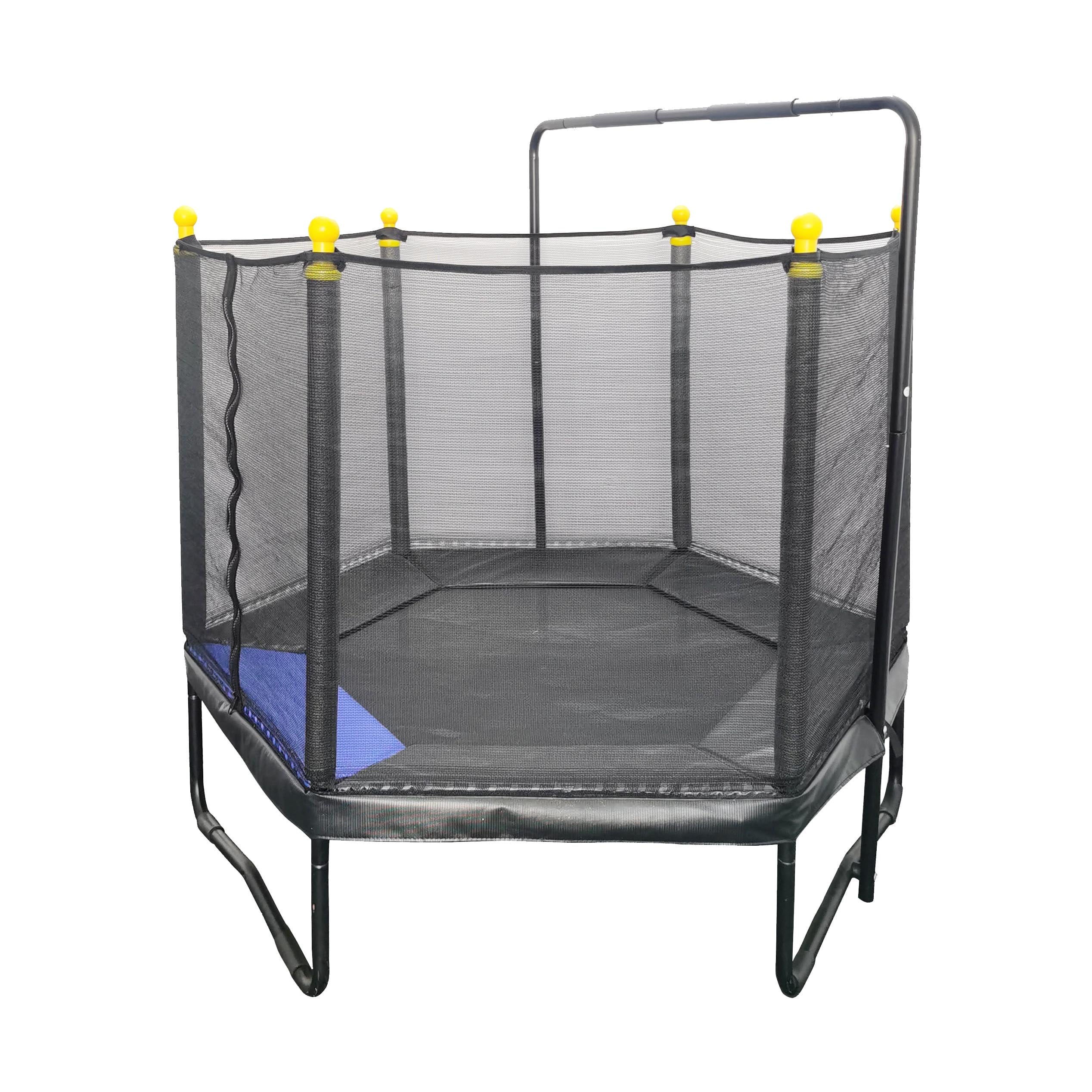
According to a recent industry study from 2024 that looked at around 15,000 workout sessions, enclosed frame trampolines have about 42% fewer accidents compared to those open frame models in gyms where people are being watched. The main reason? These trampolines stop folks from stepping off to the sides during intense workouts. The strong netting around the edges catches sideways movement, so people don't twist their ankles or knees as much. Gyms that run group classes especially appreciate this feature because it keeps everyone jumping in place rather than drifting around. Makes sense when you think about how many times people jump repeatedly in these classes.
Critical safety elements for commercial fitness trampolines include:
A leading university biomechanics lab confirmed these specifications reduce equipment-related injuries by 57% in adult fitness applications. Facilities must verify third-party ASTM F2970 certification documentation during procurement, as non-compliant models show 3.2× faster padding degradation under daily commercial use.
Fitness centers need to make sure their equipment meets certain standards like ASTM F2970 from the American Society for Testing and Materials, the EN 71-14 European trampoline safety standard, plus get certified by TÜV as well. The ASTM F2970 standard basically looks at how strong the equipment is and how well it absorbs impacts when adults are using it. EN 71-14 is all about keeping things stable so people don't fall off or get hurt, especially important for trampolines. And then there's TÜV certification which comes from independent testers who put equipment through its paces with thorough tests to confirm everything works safely. These standards help ensure gymgoers stay safe while working out.
There are still some serious problems when it comes to fitness equipment standards. The current rules don't really handle the kind of stress that happens with all those repeated jumps. Think about it: most gym machines get used over 500 times a day at busy locations. And what about the mats? They degrade from constant exposure to sunlight, something no one seems to account for properly. Springs also break down faster than expected when adults weighing more than 100kg work out on them regularly. Compliance is all over the place too. Around 40 percent of gyms bother with their yearly safety checks, which honestly isn't great considering how much money they spend on equipment. To keep things running safely, gyms need to go beyond basic certifications. Looking at actual wear test results from manufacturers makes sense, along with checking equipment stress levels every six months instead of just once a year.
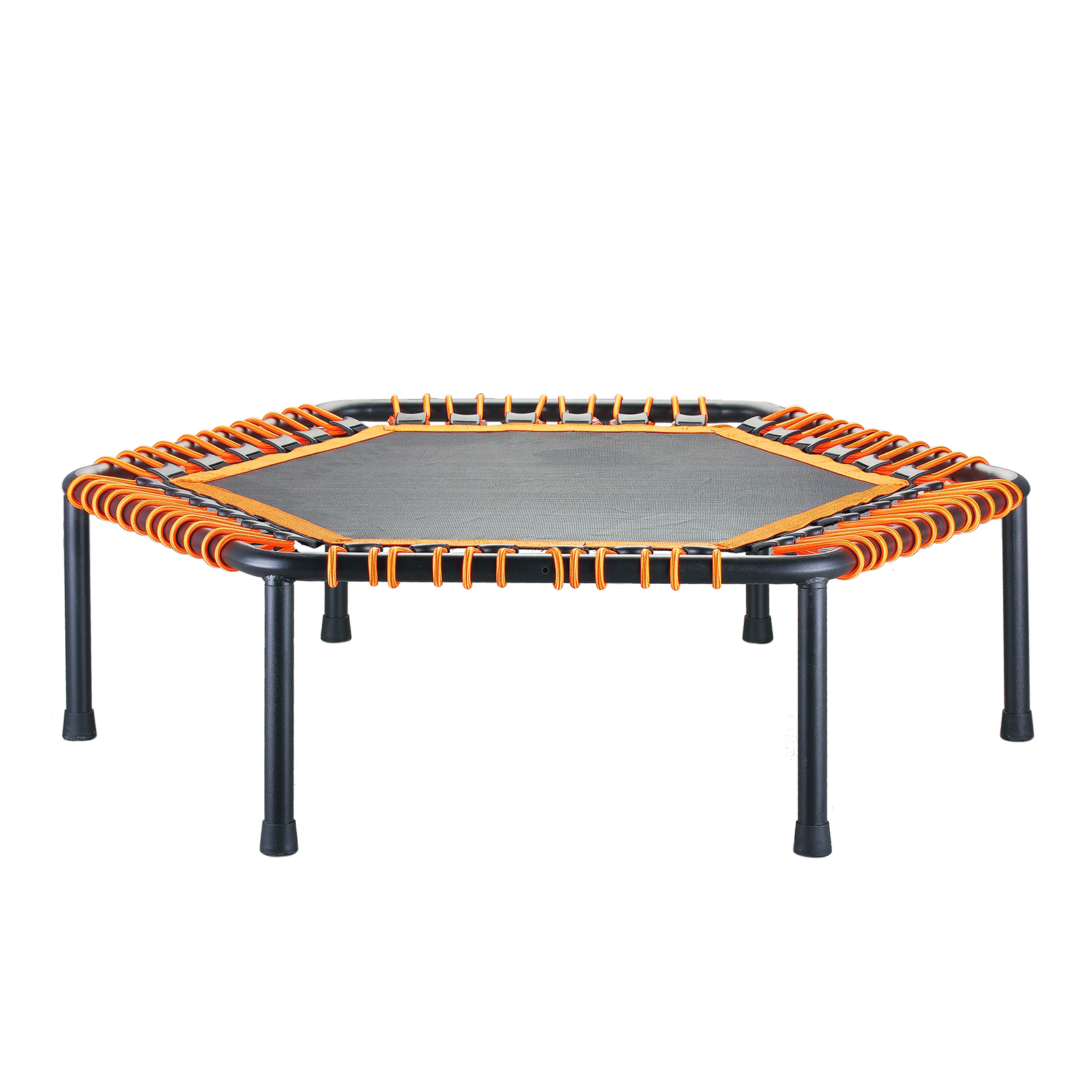
What really sets commercial trampolines apart from home models comes down to their performance specs, which makes all the difference when it comes to safety, how consistently they work, and whether they can handle serious workouts in gyms. The frames on industrial grade trampolines need to hold at least 500 pounds because adults move around so much during exercise sessions. And those mats? They should be over 14 feet across to give enough room for things like jump training exercises or high intensity interval training circuits. When manufacturers reinforce the springs and tune the tension on the jumping surface, that creates a predictable bounce height—something most gym owners look for when designing calorie burning programs. Commercial models also come with special materials that resist sun damage and corrosion since they get used every day by groups of people. These features help meet the ASTM F2970 standards for absorbing impacts safely in places where trainers supervise classes regularly.
What is the main advantage of galvanized steel frames in trampolines?
Galvanized steel frames provide superior corrosion resistance and maintain their structural integrity for longer periods under high-frequency use compared to powder-coated alternatives.
What are the key performance specifications of adult fitness trampolines?
Adult fitness trampolines are designed to hold heavier weights, provide larger jumping areas, and have reinforced springs and UV-resistant materials to ensure durability and safety.
What certifications are necessary for commercial fitness trampolines?
The essential certifications include ASTM F2970, EN 71-14, and TÜV, which ensure the trampolines meet safety and performance standards required for commercial environments.
 EN
EN
 Hot News