
 EN
EN
Understanding the Mini Trampoline Market Size and Growth Trends
Current Market Size and Projected Growth of Mini Trampolines
Market research indicates that the mini trampoline industry will likely expand dramatically, jumping from around $16.5 billion back in 2024 all the way up past $31.8 billion by 2031. That represents an impressive compound annual growth rate of nearly 9.8%, according to Cognitive Market Research findings from last year. The numbers tell a clear story about changing consumer habits toward fitness and overall wellness. When it comes to regional breakdowns, North America currently holds the top spot with roughly 40% of the total market, which translates to about $6.6 billion worth of sales in 2024 alone. Europe isn't far behind at 30%, but what's really interesting is how city dwellers are increasingly turning to compact exercise solutions that fit well within their limited living spaces. This trend makes sense given rising property prices and smaller apartment sizes across major metropolitan areas.
Historical Data on Consumer Demand for At-Home Fitness Equipment
Demand for compact fitness gear surged by 214% from 2020–2022, with mini trampolines outpacing stationary bikes and dumbbells in year-over-year growth. A 2023 Nielsen survey found that 61% of households now prefer equipment offering both cardio and low-impact routines, reinforcing demand for versatile solutions.
Impact of Post-Pandemic Health Consciousness on Mini Trampoline Popularity
Post-pandemic, 73% of buyers cite “long-term health investment” as their reason for purchasing mini trampolines, up from 38% in 2019. Manufacturers have responded with a 90% increase in safety-focused designs since 2022. The Asia-Pacific region now leads in growth with a 12.1% CAGR, driven by youth fitness initiatives and integration of smart technology.
Consumer Demand Shaped by Fitness, Wellness, and Digital Influence
Rising Health Awareness and Lifestyle Trends Driving Mini Trampoline Adoption
Since the pandemic hit, people have gotten much more focused on their health, and surveys show about two thirds of families now put cardiovascular equipment at the top of their shopping lists when looking for something that works well but doesn't take up too much space. Mini trampolines fit right into this trend because they offer gentle exercise without needing a big area. Space is actually a huge problem for many city dwellers, with over half saying they simply don't have enough room to work out properly. Younger generations especially seem to be buying most of these home fitness gadgets, making up nearly eight out of ten purchases. For them, rebounders aren't just another toy but part of what makes sense for overall health and wellbeing.
The Role of Digital Fitness Platforms and Gamified Workouts in Product Visibility
The importance of digital engagement cannot be overstated these days. According to NielsenIQ data from 2025, around half of all consumers buy wellness stuff straight off social media platforms. Take those fitness apps for instance the ones offering quick 10 minute bounce sessions where users can see their calorie burn in real time. These features really help turn casual interest into actual purchases because people can actually see what they're getting for their money. Looking ahead, hybrid workout approaches are expected to keep growing at roughly 26 or 27 percent each year until 2030. Mini trampolines have become pretty central in this whole mix of online and offline fitness experiences lately.
How Wellness Influencers and YouTube Unboxing Videos Shape Purchasing Decisions
About 42 percent of all fitness gear gets sold because people actually create content about it themselves. Real influencers sharing their honest opinions and those unboxing clips where they take everything apart really help cut down on how risky these purchases seem. When it comes to tutorials, folks actually pay attention to ones that show off useful stuff like where to store equipment or what makes machines safe for kids around the house. These kinds of videos get way more likes and shares compared to those slick corporate ads that just look too perfect. We're seeing something bigger happening here too. Nearly 6 out of 10 customers say they believe what other real people say about products much more than anything companies try to tell them when shopping for workout stuff at home.
Key Product Features That Drive Consumer Purchasing Behavior
Safety Enclosures and Child-Friendly Designs Appealing to Families
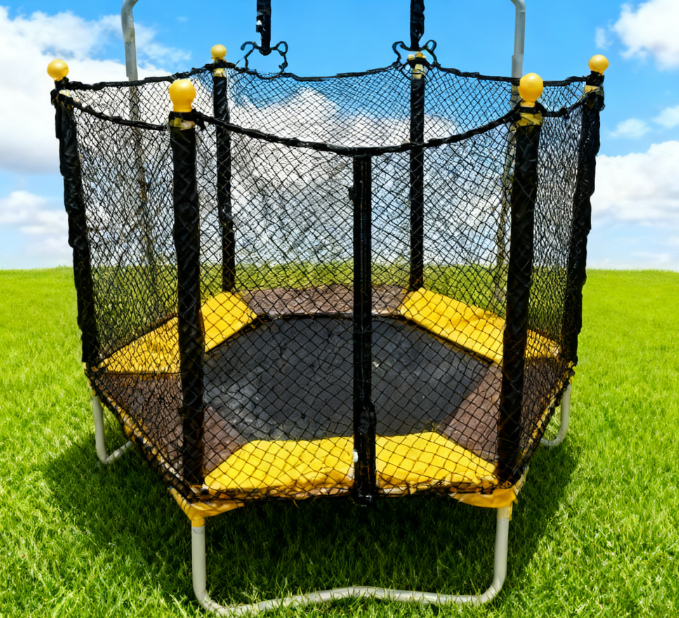
Safety is a top concern for 82% of parents, making reinforced enclosures and non-toxic materials key selling points. Models with rounded edges, BPA-free springs, and weight capacities up to 250 lbs support multi-generational use while minimizing injury risks, aligning with demand for durable, family-oriented fitness gear.
Foldable and Space-Efficient Models for Urban Living Environments
With 68% of buyers living in apartments or small homes, collapsible designs dominate. Lightweight frames under 15 lbs and vertical storage options allow seamless integration into compact spaces. Retailers report a 40% year-over-year sales increase for space-saving models.
Smart Technology Integration: App Connectivity and Real-Time Performance Tracking
Bluetooth-enabled trampolines sync with fitness apps to track metrics such as calorie burn, jump height, and session duration. Brands offering guided workout libraries see triple the repeat usage compared to basic models. Digital feedback increases accountability, with users logging 23% longer daily sessions when progress is monitored.
Gamification Features That Increase Engagement and Repeat Usage
Leaderboards, achievement badges, and virtual challenges turn workouts into interactive experiences. A 2023 study found gamified users exercised 47% more frequently than those using traditional methods. Social sharing features further boost visibility, with tagged workout videos generating 18% of referral traffic for leading brands.
E-Commerce and Digital Marketing Strategies to Maximize Visibility and Conversions
Targeted Social Media Advertising and Conversion Optimization
Instagram and TikTok are vital for reaching fitness-conscious audiences. Ads showing mini trampolines in action—enhanced with polls or user challenges—boost click-through rates by 23% (Salesforce 2023). Emphasizing space efficiency and family-friendly design improves performance, while retargeting recovers 60% of abandoned carts. A/B testing ad copy refines messaging effectiveness.
SEO Best Practices Using Keywords Like “Mini Trampoline” to Capture Organic Traffic
When it comes to getting those product pages right, focusing on specific keywords such as "mini trampoline with safety net" or maybe even "foldable rebounder" really hits what people are looking for since around 78 percent of folks searching for home fitness stuff tend to use these exact terms. Adding FAQs to web pages helps too. For instance, answering questions like "How much room do I actually need for my mini trampoline?" can boost search engine rankings by about 35%. Writing content that compares doing exercises on trampolines versus regular cardio routines tends to attract links from health and wellness websites. And let's not forget about local SEO strategies either. Many city dwellers are specifically looking for equipment they can fit into small spaces, so targeting phrases like "apartment friendly fitness gear" makes sense for reaching this particular audience segment.
Influencer Collaborations and Amazon Search Ranking Strategies
Micro-influencers (10K–50K followers) generate four times higher engagement than celebrity endorsements. One brand saw unboxing videos drive 18% of its Amazon sales. Bundling accessories improves placement in Amazon’s “Frequently Bought Together” algorithm, while reviews containing keywords like “durable” or “easy assembly” enhance search rankings.
Omnichannel Approaches: Combining Online Sales With Experiential Retail Pop-Ups
Pop-up events in fitness studios let customers test trampolines, with QR codes linking to exclusive online offers. Brands using this hybrid model report a 30% higher customer lifetime value. Geo-targeted social ads promote local events, blending digital reach with hands-on experience.
Pricing Strategies and Perceived Value in the Home Fitness Market
Price Sensitivity and Affordability Across Different Consumer Segments
Mid-tier priced products will account for over 46% of home gym equipment revenue in 2025 (Future Market Insights 2024), reflecting buyer preferences for balanced cost and functionality. Urban households earning $50k–$75k favor models under $200, while higher-income consumers opt for premium features like app connectivity despite elevated prices.
Balancing Perceived Value With Actual Cost to Justify Mini Trampoline Purchases
Manufacturers enhance perceived value by bundling resistance bands and workout guides with mid-priced units. Limited-time trials and extended warranties reduce hesitation. According to the 2025 Home Gym Equipment Report, these strategies deliver durability and safety certification without exceeding budget constraints.
Market Shift: From Luxury Item to Essential Home Fitness Equipment
Since 2020, mini trampolines have transitioned from niche luxury to mainstream necessity, supported by compact designs occupying 40% less space than treadmills (Straits Research 2018). Retailers now position them as entry-level health investments, emphasizing long-term savings over gym memberships and leveraging space efficiency as a key selling point.
FAQ Section
What is the expected growth rate of the mini trampoline market?
The mini trampoline market is projected to grow at a compound annual growth rate of nearly 9.8% from 2024 to 2031.
Why are mini trampolines gaining popularity?
Mini trampolines are becoming popular due to increased health awareness and their space-efficient design, making them suitable for urban living environments.
How do digital platforms affect mini trampoline sales?
Digital platforms, including fitness apps and social media, enhance visibility and encourage purchases by showcasing real-time benefits and engaging users.
What features make mini trampolines appealing to families?
Safety enclosures, child-friendly designs, BPA-free springs, and non-toxic materials are key features that appeal to families.
How can I improve my mini trampoline's SEO ranking?
Using specific keywords, adding FAQs, and focusing on local SEO strategies can improve SEO rankings for mini trampolines.
Table of Contents
- Understanding the Mini Trampoline Market Size and Growth Trends
- Consumer Demand Shaped by Fitness, Wellness, and Digital Influence
- Key Product Features That Drive Consumer Purchasing Behavior
- E-Commerce and Digital Marketing Strategies to Maximize Visibility and Conversions
- Pricing Strategies and Perceived Value in the Home Fitness Market
- FAQ Section