
 EN
EN
Essential Safety Features in Kids Toy Trampolines
Key safety components: Enclosure nets, padding, and frame stability
Safety is paramount when it comes to kids' toy trampolines, as they help prevent those nasty injuries from happening. For starters, the trampoline needs a strong enclosure net that goes all around where kids jump. The best ones use UV resistant material so they don't break down in sunlight, plus zippers that actually stay closed without leaving any dangerous gaps. Speaking of dangers, thick polyethylene padding covers every bit of exposed metal parts, particularly those tricky spring areas and sharp frame edges where little fingers might get hurt. When looking at frame quality, galvanized steel makes all the difference compared to cheaper alternatives. Plus, proper ground anchors are essential because nobody wants their trampoline tipping over mid-bounce. Some recent research from the Ponemon Institute shows just how important these features really are. Their findings indicate that poor padding accounts for about 30% of all trampoline injuries among children. On the flip side, when parents install those enclosures correctly, they cut down fall related accidents by an impressive 80%. That's pretty convincing stuff for anyone shopping for a safe backyard toy.
Spring-based vs. springless designs: Comparing safety and injury prevention
Safety gets a real boost with springless trampoline designs since they get rid of those dangerous pinch points where little fingers and toes often get caught. These pinch points are actually one of the main reasons kids end up injured on trampolines. The old school spring models come with those hard metal coils that stick out everywhere, and according to various pediatric safety studies, these coils account for around 74% of all impact injuries. Springless trampolines work differently though. They have these flexible composite rods underneath the jumping surface that spread out the force when someone lands, which also closes up those risky gaps between components. Another benefit worth mentioning is that this design helps prevent the mat from wearing out too quickly something that contributes to about 23% of structural problems we see reported. Looking at both clinical research and what's happening in the industry right now, it seems pretty clear that springless trampolines lead to roughly 90% fewer injuries related to impacts compared to their traditional counterparts with springs.
Why springless innovations lead in children's trampoline design
More and more top companies in the industry have started focusing on springless technology because it's just safer for kids playing around. What makes these products different? They use bendy rods instead of those hard metal poles we all remember from old trampolines, plus special padding mats that don't have rough edges anywhere. The whole frame sits underneath where someone would actually jump too. All together, this setup gets rid of places where little ones might hit something while still giving them plenty of bounce. Tests done by third parties show that these new designs stop about 9 out of 10 injuries that happen with regular equipment, thanks to some pretty smart design work. And parents will appreciate how long they last outdoors too since the frames won't rust away like older models did. We've seen families keep theirs going strong for years even when left outside all winter.
Choosing the Right Type of Kids Toy Trampoline by Age and Use
Outdoor, mini, and full-size trampolines: Matching type to child's age and play needs
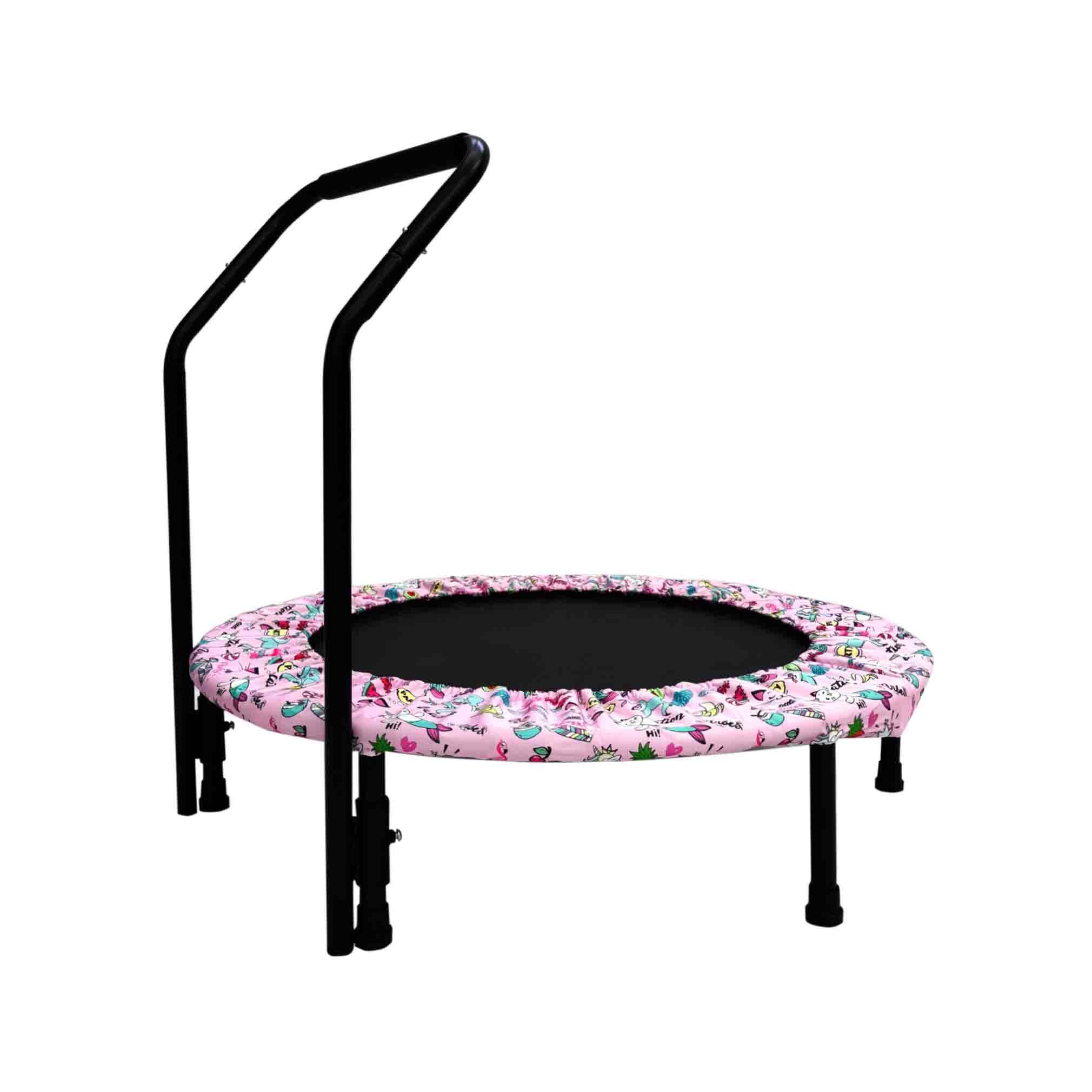
Choosing the right kind of trampoline really matters when it comes to keeping kids safe while they develop their coordination skills. Doctors at the American Academy of Orthopedic Surgeons warn parents away from regular backyard trampolines if their child is under six years old because there's a much higher chance of broken bones. Little ones should stick to those small indoor trampolines that are around three feet across and have handles built in so they can hold on while bouncing. When kids hit school age (around six to twelve), round outdoor trampolines measuring between eight and twelve feet work best for family fun in the yard, especially with those netting systems all around them for extra protection. Teenagers usually need bigger rectangular trampolines that measure fourteen feet or more since these are made for serious jumping workouts. Still worth noting though, even older kids might be better off with trampolines that don't have springs to avoid getting fingers pinched in the hardware.
Weight capacity and size guidelines for safe kids toy trampoline use
Following the weight limits and size specifications set by manufacturers helps maintain the trampoline's structural strength and keeps bouncing safe. Most 12 foot models can handle between 150 to 220 pounds total weight. When kids jump together, their combined weight should be no more than 80% of what's listed on the label. The mat needs enough space around the jumper too about three feet clearance all around. That means a 10 foot trampoline works well for kids aged 6 through 10 years old, whereas a larger 14 foot version gives plenty of room for older teenagers. Before buying, check for either ASTM F381-22 or EN 71-14:2023 certification marks these are important safety standards. Worn out mats or rusted parts need replacing right away they don't last forever. Getting the right size makes a real difference in safety statistics show proper sizing cuts fall injuries down by about one third, per data from the Safety Standards Institute released last year.
Safe Installation and Garden Suitability for Kids Trampolines
Assessing garden space: Clearance, ground leveling, and anchoring requirements
Getting started safely means taking a good look around the garden first. Keep at least 2.5 meters free space around the trampoline area, making sure it's clear of anything that might cause problems like trees, fences, sheds or other toys where kids could potentially collide mid jump. The surface needs to be completely flat too because if it's not, there's a much higher chance (about 40% according to some studies) that the whole thing might tip over. Grab a spirit level tool to double check this before putting everything together properly. Secure the frame well with those special ground stakes or heavy sandbags recommended by whoever made the trampoline, especially important if we live somewhere prone to strong winds. Check how tight those anchors are every month or so just to be safe. Try placing the trampoline somewhere visible from house windows or patio areas so parents can keep an eye on things easily. Some newer springless designs actually have built-in anchoring systems right in the base which makes setup a bit easier for folks looking for simpler options.
Supervision, Usage Rules, and Ongoing Safety Practices
Having adults watch kids closely while they jump around on those backyard trampolines really helps prevent accidents from happening. The grownups need to stay close enough to see what's going on and ready to step in fast if something looks risky. We've all heard about how most injuries happen when multiple people are bouncing at once, so make sure only one kid goes at a time. Set some basic rules too nobody does flips or cartwheels, no wrestling matches, and definitely no shoes since socks can get stuck in the springs. Before letting anyone start jumping, double check that the safety net is properly zipped up around the edges. A few minutes spent checking these things could save a lot of pain later on.
Effective supervision strategies and user limits to prevent accidents
Good supervision isn't just about being there, it needs actual involvement too. For little ones still in diapers or preschool, stay close enough to grab them if needed. With bigger kids, keep an eye on them from where they can see you clearly and step in fast when they break any rules. Share watching responsibilities between reliable grown-ups so no one gets too tired to pay attention properly. Keep those jumping sessions short, around 15 to 20 minutes max, since tired kids make more mistakes when they jump for too long. Absolutely never leave anyone alone even for a minute. According to data from NEISS in 2022, most serious accidents happen exactly when there's no adult nearby looking out for what's happening.
Maintenance, safety rules, and best practices for long-term safe use
Regular upkeep keeps things safe and makes equipment last longer. Look at that enclosure net every week for any holes, sagging spots, or zippers that don't work right anymore. If the padding looks cracked, squashed flat, or has come loose somehow, swap it out without delay. Monthly checks on those frame joints, bolts, and springs are important too. Watch for signs of rust, bent parts, or anything feeling wobbly. Just tighten what needs tightening or replace what's broken. Rainy days are definitely off limits since wet surfaces get really slippery. And watch out for wind speeds over 20 mph because strong gusts can tip things over unexpectedly. Keep those little extras like ladders and covers stored away safely whenever kids aren't actively watching them, otherwise someone might trip and hurt themselves. At the end of each season, give everything a good scrub down with some gentle soap and water to stop mold from growing anywhere. Then sit down with the kids again to go through all the safety stuff before letting them start playing once more.
FAQ
What are the essential safety features to look for in a kids' trampoline?
Key safety features include strong enclosure nets, thick polyethylene padding, and frames made from galvanized steel. Proper ground anchors are also essential for stability.
Are springless trampolines safer than spring-based ones?
Yes, springless trampolines eliminate pinch points, which are a common cause of injuries on spring-based trampolines, and thus are considered safer.
Which trampoline is suitable for different age groups?
Indoor mini trampolines are recommended for children under 6 years old, round outdoor trampolines for ages 6-12, and larger rectangular trampolines for teenagers.
How should I check if my garden is suitable for trampoline installation?
Ensure at least 2.5 meters of free space around the trampoline, a level surface, and proper anchoring to prevent tipping.
Table of Contents
- Essential Safety Features in Kids Toy Trampolines
- Choosing the Right Type of Kids Toy Trampoline by Age and Use
- Safe Installation and Garden Suitability for Kids Trampolines
-
Supervision, Usage Rules, and Ongoing Safety Practices
- Effective supervision strategies and user limits to prevent accidents
- Maintenance, safety rules, and best practices for long-term safe use
- FAQ
- What are the essential safety features to look for in a kids' trampoline?
- Are springless trampolines safer than spring-based ones?
- Which trampoline is suitable for different age groups?
- How should I check if my garden is suitable for trampoline installation?