
 EN
EN
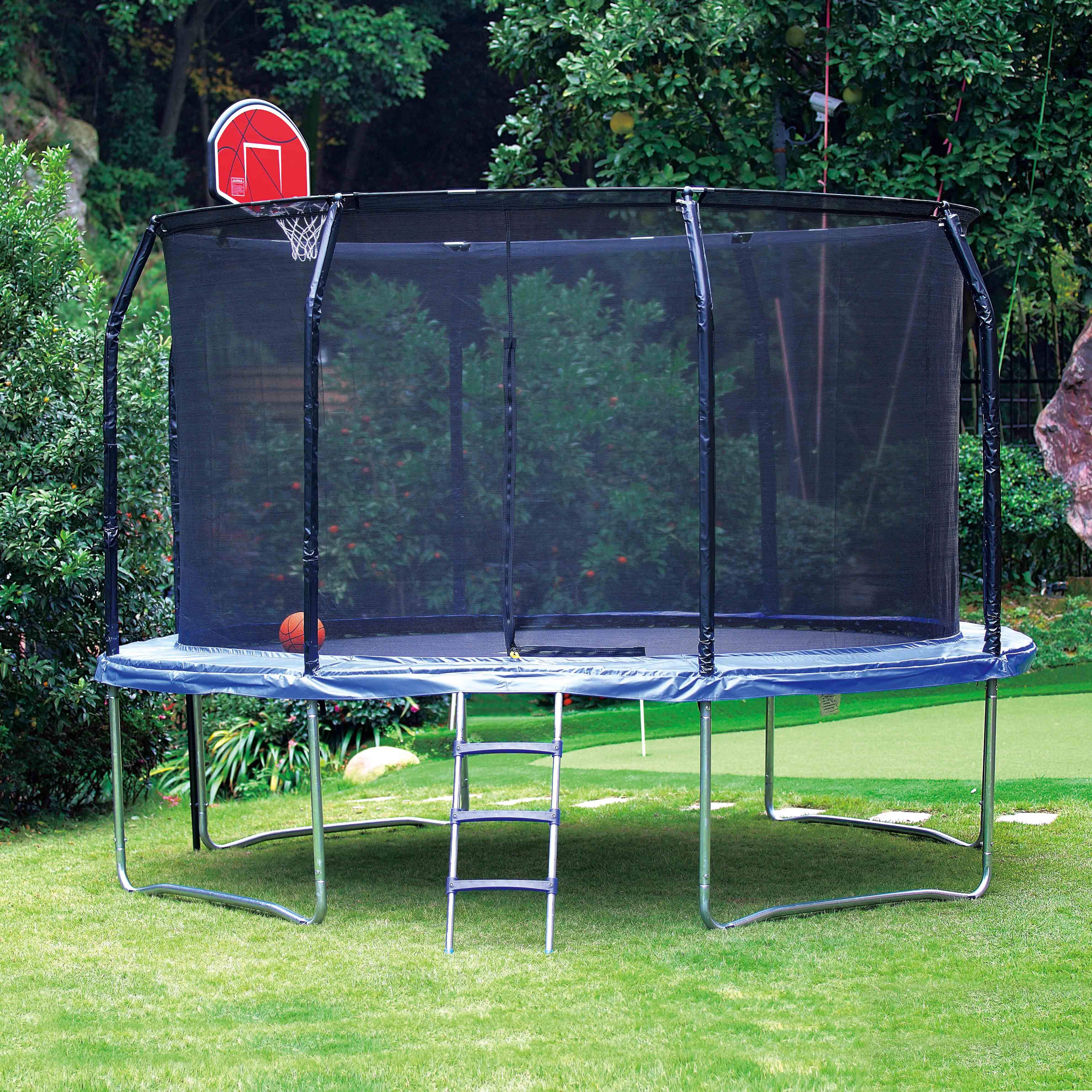
Weather-Resistant Frame Construction for Outdoor Durability
Double-Galvanized Steel: Why It Outperforms Aluminum and Fiberglass in Humid and Coastal Outdoor Environments
Moisture and salt air really speed up corrosion for outdoor trampolines. Double galvanized steel frames offer much better protection because they have zinc coatings over 600 grams per square meter on both sides. This creates about 5 to 7 times thicker protection than regular galvanization methods, so these frames can last 15 years or more without rusting even near the coast. Regular aluminum frames tend to crack after around 5 to 7 years when exposed to lots of humidity. Fiberglass gets worse too - UV light weakens its structure by about 40% within just 8 years according to ASTM tests. The difference between materials matters here. Aluminum forms an oxide layer passively, but steel's zinc coating actually works as a sacrificial layer that heals small scratches naturally. Steel is much stronger too, with a tensile strength of about 550 MPa versus only 300 MPa for aluminum. That means steel keeps its shape better when kids jump around and doesn't warp during those winter freezes and thaws. Special triple sealed gaskets at important bolt points stop water from getting inside, something hollow aluminum tubes struggle with since they trap condensation inside. Plus, steel conducts heat better than plastics, cutting down surface condensation by roughly 30%. For anyone looking at long term durability, galvanized steel parts hold up against marine conditions where plain metals would fail completely in less than three years.
UV-Stable Jumping Surfaces and Enclosure Netting for Long-Term Outdoor Use
High-Density Polyethylene Weave + UV Stabilizers: How ASTM D4329 Testing Predicts Real-World Outdoor Fade Resistance
Trampoline mats and those enclosure nets are almost always made from high density polyethylene or HDPE because it holds up well against wear and tear while still being flexible enough to bounce on. If HDPE isn't treated with UV stabilizers though, it starts breaking down pretty fast under sunlight. We've all seen those faded old trampolines where the plastic gets brittle and cracks easily after just a single summer out there. That's why smart manufacturers actually mix UV inhibitors right into the material when they're making it, so the harmful rays can't get absorbed at all. There's this standardized test called ASTM D4329 that basically puts materials through their paces with intense UV light and moisture cycles to see how they hold up over time. Any material that keeps around 80% of its original strength after going through thousands of these tests has been proven to resist fading in real world conditions. So that bright blue mat you bought last year should stay looking good and working properly even after several seasons of backyard fun.
Polypropylene just doesn't hold up compared to UV-stabilized HDPE when temperatures change or humidity goes up and down. Most other materials start cracking after only about 500 hours in the ASTM D4329 test, which basically means they won't last long outside before failing. When we simulate wind stress on these materials, the stabilized nets actually hold together three times longer than regular ones without fraying apart. The color staying consistent isn't just about looking good either. When colors fade, that usually means the material is breaking down at a molecular level, weakening those important load-bearing parts. Meeting ASTM D4329 standards gives real proof that the material can handle UV exposure safely. This matters a lot for things like bounce structures or containment systems that need to work properly through all kinds of weather conditions season after season.
Corrosion-Proof Spring Systems and Protective Padding for All-Season Outdoor Safety
Coil Spring Failures vs. Springless Designs: Field Evidence from High-Salt, High-Humidity Outdoor Installations
Traditional trampoline coil springs struggle badly with corrosion when placed near coastlines or in damp areas. Salt air and constant moisture really take their toll on metal over time. According to field observations, trampolines in salty environments tend to see their springs fail about twice as often within around 18 months. This leads to inconsistent bouncing and creates potential safety issues for anyone using them. The newer springless models solve this problem completely by swapping out those metal coils for strong polyethylene bands instead. These bands have held up remarkably well during long term use along Floridas beaches and throughout the Gulf Coast region, lasting over a decade in many cases according to installation reports from local manufacturers.
Good protective padding is still a must no matter what kind of springs are used. Tests have shown that those 2 inch thick foam pads treated against UV damage cut down impact forces around 35 percent better than regular covers do. When dealing with areas where corrosion is a problem though, we need padding that wicks away moisture and has built in drainage channels. This setup stops mold from growing underneath the cover which matters a lot for keeping both the shock absorption working properly over time and maintaining basic hygiene standards.
| Component | Coastal Failure Rate (3 yrs) | Humidity Failure Rate (3 yrs) |
|---|---|---|
| Galvanized Springs | 42% | 28% |
| Springless Systems | 3% | 2% |
While stainless steel springs offer improved corrosion resistance, they add 40% to product cost without matching the near-zero maintenance or longevity of springless systems. For all-season outdoor safety, integrated solutions—combining rust-proof mechanisms and advanced padding—are the most reliable choice where weather exposure is unavoidable.
Wind, Rain, and Debris Management: Smart Outdoor Anchoring and Moisture Control
Engineered Ground Anchors vs. DIY Solutions: Validated Performance at 45+ mph Winds for Outdoor Trampolines
When it comes to keeping trampolines secure during windy weather, nothing beats proper anchoring systems over those quick fix solutions people sometimes try. The best ground anchors on the market have been put through rigorous testing and can handle winds well above 45 miles per hour. These anchors feature spiral designs that dig deep into the earth below while spreading out sideways force much better than anything else. Research done along coastlines where strong breezes are common shows these professional grade anchors cut down the chance of a trampoline flipping over by around 90% or so when compared to homemade setups like stacking bricks or tying ropes together, which just don't hold up after repeated stress from gusts. Anyone planning to install a trampoline outside permanently in areas prone to high winds really needs to invest in certified anchors not only for peace of mind but also to avoid potential legal issues if something goes wrong.
Ventilated Covers, Sloped Mats, and Drainage Holes: Preventing Mold and Water Accumulation in Outdoor Settings
Moisture control is foundational to durability in wet climates. A synergistic three-part system mitigates water accumulation and biological degradation:
- Ventilated covers with breathable, UV-blocking membranes prevent condensation buildup underneath;
- Sloped jumping mats (±5° incline) direct rainwater toward perimeter drainage holes;
- Dual-layer padding with hydrophobic foam resists saturation and maintains cushioning integrity.
This integrated approach eliminates standing water, reducing mold growth by 87% in high-humidity environments—validated under ASTM F381 testing protocols.
FAQ
Why is double-galvanized steel preferred for outdoor trampolines?
This material is favored as it offers superior corrosion resistance with zinc coatings over 600 grams per square meter on both sides, providing 5 to 7 times thicker protection than regular methods.
How does UV stabilization affect trampoline materials?
UV stabilizers embedded in high-density polyethylene (HDPE) significantly resist fading and brittleness, maintaining the material's strength and color over several seasons.
What advantages do springless trampoline designs offer?
Springless trampolines use polyethylene bands in place of metal coils, reducing failure rates by resisting corrosion and lasting over a decade even in high-salt environments.
How can I keep my outdoor trampoline stable during high winds?
Investing in engineered ground anchors, tested to withstand over 45 mph winds, is essential to prevent trampolines from being flipped over in strong gusts. DIY solutions are less effective.
Table of Contents
- Weather-Resistant Frame Construction for Outdoor Durability
- UV-Stable Jumping Surfaces and Enclosure Netting for Long-Term Outdoor Use
- Corrosion-Proof Spring Systems and Protective Padding for All-Season Outdoor Safety
- Wind, Rain, and Debris Management: Smart Outdoor Anchoring and Moisture Control
- FAQ