
 EN
EN
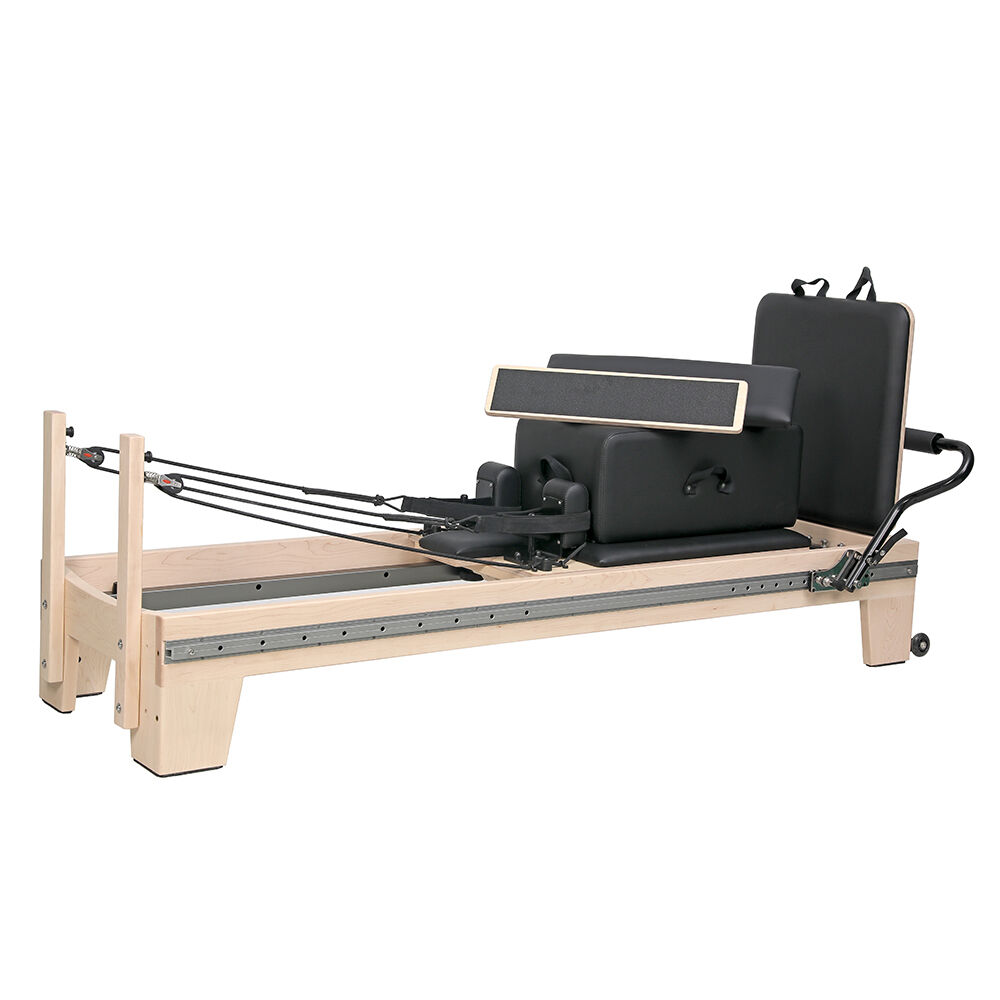
The Growing Market Demand for Pilates Reformer Classes
Rising Consumer Preference for Equipment-Based Pilates
These days, many people getting into fitness are moving away from basic mat Pilates towards more specialized gear like reformers. According to a recent industry check in 2024, around two thirds of newcomers actually look for studios with reformer classes available. They appreciate things like better resistance options, improved back support during exercises, and the ability to gradually increase difficulty something regular mat work just can't match. The trend has picked up even more since home workouts became popular. Smaller versions of reformers plus online classes let folks tailor their routines without worrying about studio space constraints or rigid schedules. Gyms that have added reformers to their offerings see about a third boost in how many customers stick around longer term. The reason? Sessions using actual equipment tend to show real improvements in strength over time, which keeps people coming back week after week.
Data-Driven Growth: Pilates Industry Trends and Studio Adoption Rates
The Pilates reformer market is projected to reach $11.8 billion by 2031, growing at a CAGR of 8.2% (Global Fitness Equipment Trends Report 2024). Key metrics reveal strategic adoption patterns:
| Growth Indicator | Mat Pilates | Reformer Pilates |
|---|---|---|
| Client Retention Rate | 61% | 82% |
| Average Price Premium | Baseline | +40% |
| Studio Adoption Rate (2024) | 92% | 68% |
This data underscores reformers as a revenue accelerator-68% of studios now offer dedicated classes to capture premium pricing power. Urban studios particularly benefit, where reformers' space efficiency generates 28% more revenue per square foot than traditional equipment.
Proven Revenue and Retention Benefits of Pilates Reformers
Premium Pricing Power: How Reformer Classes Increase Average Revenue Per Client
Pilates reformer classes usually cost 25 to 40 percent more than regular mat classes because they need special equipment and involve one-on-one coaching from instructors. The higher price tag means studios can make more money without needing to attract extra clients. Take a typical scenario where a studio runs five reformer classes each week at forty-five dollars per session. That adds up to around $1,125 a month for each machine compared to about six hundred fifty for similar mat classes. What makes reformers so valuable is their flexibility in pricing options too. Many studios start new students off with thirty dollar sessions before moving them up to fifty-five dollars when they get better at the advanced moves. Most people who try reformer Pilates feel it's worth paying extra for because of how the machines adjust resistance levels and provide proper spinal support during exercises. This perception helps studios stay ahead of places that only offer mat classes as their main income source.
Retention Boost: Structured Programming and Community Building Around Pilates Reformers
Reformer programs that follow structured formats, such as those 8 week core development series many studios offer, actually help keep clients coming back. Studies show these kinds of programs can increase retention rates by around 28% when compared to people who just drop in whenever they feel like it. The equipment itself helps build community too. When partners work together on springs or teams tackle group challenges, something happens between them. Most folks (about 72%) say they feel much more connected to their local studio after joining these sessions. Workouts can be tailored to fit all sorts of needs from women recovering after childbirth to athletes looking to improve performance. This customization really matters because it keeps people engaged with their goals. Studios have noticed something interesting happening over time. Members who stick with reformer focused programs tend to stay longer. The numbers tell the story pretty clearly: studios see about 15% better retention at six months for these membership types compared to other offerings.
Competitive Differentiation Through Pilates Reformer Offerings
Pilates reformers give studios something special in crowded fitness markets where everyone else looks the same. The equipment creates a niche that other places simply can't match because they don't have what it takes. Most studio owners say their reformer classes draw people who want specific workouts without all the impact that regular mat classes bring. Clients see these machines as markers of serious training, which makes them willing to pay more for sessions. People stick around longer too since the programs are different from anything else available. With how fast the fitness world changes, studios that get smart about using reformers actually build lasting advantages. They tap into what more folks want now: workouts with actual gear that deliver results, not just another place to sweat near home or work.
Operational Considerations and ROI Timeline for Studio Owners
Upfront Costs vs. Break-Even Analysis: Realistic Projections for Small to Midsize Studios
Putting money into Pilates reformers needs some serious budget thinking. Most studios spend between three thousand to seven thousand five hundred dollars for a decent machine plus installation costs. When we factor in all those changes needed to fit the equipment properly, the whole package for five reformers usually runs anywhere from twenty five thousand up to fifty grand. How long it takes to make back that investment really depends on how smartly priced the classes are. Studios that charge around thirty five to fifty five bucks per session tend to get their money back in fourteen to eighteen months if they keep about seventy five percent of spots filled regularly. Smaller studios find ways to speed things up by creating membership packages that combine reformer work with regular mat classes. These bundles help because reformer sessions bring in roughly twenty seven percent more cash compared to standard offerings, according to industry stats. That extra revenue makes all the difference when trying to turn a profit faster.
Space, Staffing, and Certification: Key Implementation Factors for Sustainable Pilates Reformer Integration
Getting those reformers set up properly needs around 100 to 150 square feet each, plus full 360 degree space so instructors can move freely around them. Certification isn't optional at all these days. Most studios demand their instructors complete over 500 hours of training through the PMA program before they're allowed to teach classes. This ensures everyone stays safe and maintains quality standards. Smart studios keep their staff happy and reduce attrition by offering better pay packages. Certified teachers typically make anywhere from 15 to 20 percent more than regular rates. Plus, when schedules are arranged strategically throughout the week, the equipment gets used much more efficiently. Good storage systems are another must have item too. Studios need plenty of modular storage options to keep things organized and clear walking paths free from clutter, especially during busy peak times when multiple classes run back to back.
FAQ
What are Pilates reformer classes?
Pilates reformer classes are workout sessions that use specialized equipment called reformers. These classes provide resistance, back support, and allow for incremental difficulty increases.
Why are reformer Pilates classes preferred over traditional mat classes?
Reformer Pilates offers enhanced resistance options and better back support, allowing for greater strength improvements over time, which are things traditional mat classes can't match.
What is the projected growth of the Pilates reformer market?
The Pilates reformer market is projected to reach $11.8 billion by 2031, with an annual growth rate of 8.2%.
How do reformers affect client retention rates?
Reformer programs that include structured routines and community-building exercises have been shown to increase client retention rates by around 28% as compared to non-programmed classes.
What are the upfront costs involved in setting up reformer Pilates?
Initial investment includes reformer machines costing between $3,000 to $7,500 each, with total setup for five machines ranging from $25,000 to $50,000 including spatial and installation adjustments.