
 EN
EN
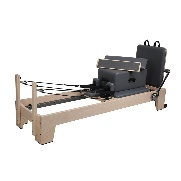
The Growing Demand for Pilates Reformers in Modern Fitness Facilities
Pilates reformers are becoming a big investment for many fitness centers these days. ClassPass has actually listed Pilates as number one workout trend for the past two years running from 2023 all the way through 2024. People seem to be moving away from traditional workouts towards something different. They want exercises that mix strength work with better mobility. The latest Fitness Trends Report shows that about 68 percent of gym goers prefer low impact workouts using actual equipment rather than just free weights or machines. Gyms today are finding that reformers help them meet several important needs at once. Members expect their workouts to connect body and mind in some way. There's also demand for programs that can help with recovery after injuries. And let's face it, keeping customers coming back month after month means good business for the gym owners too.
Rise of Mind-Body Training in Commercial Gyms
Commercial gyms report 42% higher attendance in equipment-assisted Pilates versus mat-only classes. Reformers’ spring resistance system enables precise muscular engagement while maintaining spinal alignment—a key factor for members seeking pain-free strength development. Facilities like Equinox now dedicate 15–20% of floor space to mind-body zones anchored by reformers.
How Pilates Reformers Meet Evolving Consumer Fitness Preferences
The 2024 IHRSA Member Survey reveals 81% of users choose reformers for joint-safe progressive overload. Unlike static machines, adjustable spring tension (10+ resistance levels) accommodates everyone from post-rehab clients to elite athletes. This versatility aligns with the 57% year-over-year growth in "functional recovery" memberships.
Case Study: Improved Member Retention with Reformer Classes
Urban Fitness Collective saw a 28% increase in retention after introducing 12 weekly reformer sessions. Members attending three or more classes per month stayed 11 months longer than traditional weightlifters. The studio’s $22K equipment investment broke even within five months through tiered pricing ($35–$75/class).
Hybrid Workouts Driving Adoption of Pilates Reformers
Forward-thinking gyms pair reformers with cycling (Cardio Pilates) and TRX (Suspension Reformer) to create fusion programming. These 45-minute sessions achieve 89% average occupancy rates compared to 63% for standalone classes, capitalizing on the 40% member preference for time-efficient hybrid training.
Full-Body, Low-Impact Benefits of Reformer Pilates for Diverse Populations
Reformer Pilates meets modern fitness demands with scalable intensity and joint-protective mechanics. Its unique spring resistance system makes it accessible to users ranging from seniors managing arthritis to athletes enhancing functional mobility.
Low-Impact Exercise That Builds Strength and Endurance
The reformer’s gliding carriage reduces joint compression while maintaining muscle activation. A 2025 study found athletes improved single-leg hopping power by 22% using reformers compared to traditional weight training. This low-impact approach allows 30-minute high-intensity sessions that build endurance without cartilage wear.
Core Stability and Joint Health Through Controlled Movement
Research shows 8 weeks of reformer practice improves postural alignment by 38% in desk workers (Embrace Studio, 2023). The machine’s fixed movement path trains deep stabilizer muscles often neglected in free-weight exercises, reducing injury risks during rotational sports.
Rehabilitation and Pain Relief Supported by Physical Therapists
Clinical trials demonstrate 40% faster recovery times for knee replacement patients using reformers versus standard rehab protocols (Pilates Method Alliance, 2024). Adjustable spring tension allows gradual progression from gentle mobilization to dynamic strength challenges.
Accessibility Across Age and Fitness Levels
78% of gyms report increased senior class attendance after introducing reformers, citing its seated-to-standing adaptability (Fitness Facility Trends Report, 2023). Trainers easily modify workouts for pregnancy, obesity, or mobility limitations using spring weight variations and support straps.
Reformer vs. Mat Pilates: Why Equipment-Based Training Delivers Greater Value
Resistance, Precision, and Measurable Progression in Reformer Sessions
Pilates reformers change regular bodyweight workouts into something we can measure when it comes to building strength. Mat Pilates just depends on gravity pulling us down, but reformers have these adjustable springs that offer anywhere from 4 to 50 pounds of resistance. This lets people really fine tune how intense their workout feels. Some research out there shows folks get about 22% more activity in their core muscles during reformer sessions versus doing mat exercises alone. A study published in the Journal of Sports Science back in 2023 supports this finding too. The carriage that slides along the frame increases movement range at important joints by around 15 to 30 percent. Because of this feature, reformers become great tools for monitoring improvements in flexibility as small changes can be made week after week.
Adaptability for All Fitness Levels Through Adjustable Spring Tension
Reformers connect rehab work with fitness training through their adjustable settings. A trainer might dial down the resistance to just 10% of someone's body weight when working with new moms recovering from childbirth, while cranking it up to nearly full body weight for athletes looking to build strength something regular mats simply cannot do. According to recent data from the American Physical Therapy Association (2024), around two thirds of PT professionals have started including reformers in their treatment plans. What makes these machines so versatile? Take the footbar alone it offers five different angle positions plus those pulley straps create possibilities for more than 40 distinct exercises on each unit. That means everyone from seniors needing gentle stretching to competitive gymnasts can share space in the same group session without anyone feeling left out or overwhelmed.
Can Mat Pilates Alone Deliver Functional Strength Gains?
Mat exercises definitely help with body awareness, but when it comes to building real strength, reformers deliver results because they provide continuous resistance throughout movements. Research published in reputable journals found that people who trained on reformers saw about 37 percent more growth in their quads and nearly 30 percent better glute engagement after just 12 weeks compared to those on mats alone. The thing is, regular mats don't offer that same kind of resistance pattern that helps stabilize muscles during exercise. Reformer springs keep tension going whether someone is pushing or pulling, which makes a big difference. Gyms that want to track actual progress find reformer training advantageous since there are concrete numbers to measure improvements over time, things like adjusting spring resistance levels or noting how accurately someone aligns the carriage during exercises.
Strength and Conditioning Advantages of Pilates Reformers as Resistance Training Tools
Spring-Based Resistance Systems for Functional Muscle Engagement
The springs on Pilates reformers can be adjusted to provide different levels of resistance, which works muscles all the way through each movement. Traditional weights don't compare because they only apply force in one direction. With reformer springs, there's continuous tension whether moving toward or away from the machine. Some recent research found this kind of training boosts neuromuscular activity around 28%, according to the latest equipment study from 2024. What makes reformers special is how they work those tiny stabilizing muscles that regular gym workouts tend to miss out on. People who practice regularly notice better balance and coordination in everyday activities after just a few sessions.
Targeting Underused Muscles for Balanced Strength Development
When someone uses a reformer, the moving parts create instability that makes the body work harder to stay balanced. This forces the core muscles to kick in more deeply and gets those backside muscles working too, especially the glutes and hamstrings which often get overlooked in regular exercises. Studies looking at how different workouts affect muscle development show that people tend to have better symmetry after reformer sessions, which means fewer injuries caused by muscle imbalances on either side of the body. One particular study comparing various forms of exercise found something interesting about the obliques specifically. Participants using reformers showed around 19 percent greater activation in those lower abdominal muscles compared to when they did similar exercises just on mats. Not bad for something that looks so simple at first glance!
Research Insight: 37% Lower Body Strength Gain in 12 Weeks
Controlled studies reveal measurable progress: participants completing three weekly reformer sessions gained 37% more lower-body strength over 12 weeks than those using free weights alone. The machine’s guided motion paths enable precise overload of specific muscle groups while minimizing joint strain, making it effective for both rehabilitation and athletic conditioning.
Cross-Training Benefits for Athletes and Active Adults
Many athletes turn to reformers when dealing with the wear and tear of constant pounding from their sport. The adjustable resistance makes these machines great for targeted training needs. Take golfers who need just enough tension to build that twist in their swing, while sprinters crank things up for those powerful leg pushes off the blocks. Runners I've spoken to say they notice better hip movement and longer strides once they start incorporating reformer sessions into their regular routine. Some even mention feeling less sore during long races after consistent work on these devices.
Operational and Financial Benefits of Adding Pilates Reformers to Gym Offerings
Cost, ROI, and Equipment Longevity for Gym Owners
The Pilates reformer market sits at an interesting crossroads between initial expense and lasting returns. Quality machines typically cost anywhere between three thousand to eight grand, though many top manufacturers offer group buy discounts that cut prices around twenty percent while also bumping warranty periods past ten years. A recent look at studio budgets shows something fascinating happening too. When gyms invest in five reformers or more, they tend to recoup their money about thirty percent quicker simply because classes fill up faster and people are willing to pay extra for those sessions. What makes these machines last so long? The secret lies in their construction. Most feature tough spring systems combined with airplane quality aluminum frames that hold up through fifty plus workouts per day. This means far fewer repairs down the road and definitely less need to replace them entirely over time.
Space-Efficient Layouts and Scalable Class Programming
Reformers’ compact footprint (typically 7’x2’) allows fitness facilities to fit 8–12 units in a 500 sq. ft. studio—40% more space-efficient than traditional weight stations. Gyms can stagger 45-minute sessions across mornings, evenings, and weekends, achieving 85% equipment utilization. Wall-mounted models further optimize space, enabling seamless transitions between Pilates, yoga, and HIIT circuits.
Revenue Growth Through Boutique Partnerships and Licensed Programs
Studios that get licensed for STOTT PILATES or Balanced Body programs tend to draw about 23 percent more people looking for proper reformer work. When gyms offer mixed membership options like unlimited reformer classes plus regular access to other equipment, they generally see an extra $18 to $25 coming in each month from their members. Another good money maker comes from teaming up with nearby PT offices. A lot of these clinics actually send their patients over for recovery focused Pilates sessions at the gym, and around two thirds of them keep doing this regularly.
Frequently Asked Questions
What are Pilates reformers used for?
Pilates reformers offer resistance training that enhances flexibility, strength, and alignment through adjustable spring mechanisms, suitable for rehabilitation and diverse fitness levels.
How are reformer Pilates classes different from mat Pilates?
Reformer Pilates utilizes equipment with springs for resistance, providing measurable strength gains and deeper muscle activation compared to mat Pilates, which primarily relies on body weight and gravity.
Are Pilates reformers suitable for seniors?
Yes, Pilates reformers are adaptable for seniors and other populations, offering joint-protective exercises and customizable resistance settings to accommodate varying fitness levels.
How do reformers contribute to gym revenue?
Investing in Pilates reformers can increase gym profitability through higher class attendance, longer member retention, and partnerships with physical therapy clinics.
Table of Contents
- The Growing Demand for Pilates Reformers in Modern Fitness Facilities
- Full-Body, Low-Impact Benefits of Reformer Pilates for Diverse Populations
- Reformer vs. Mat Pilates: Why Equipment-Based Training Delivers Greater Value
- Strength and Conditioning Advantages of Pilates Reformers as Resistance Training Tools
- Operational and Financial Benefits of Adding Pilates Reformers to Gym Offerings
- Frequently Asked Questions