
 EN
EN
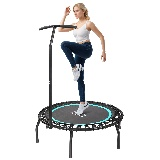
Trampolines as a High-Efficiency Calorie-Burning Workout
Calorie Burning Potential of Rebounding Compared to Traditional Cardio
NASA actually did some research back in the day showing that bouncing around on trampolines can torch calories at about three times the rate of regular old running, as published somewhere in the Journal of Applied Physiology if memory serves right. The findings were pretty interesting too – just ten minutes of intense trampoline work gives similar heart health perks as half an hour spent pounding the pavement. And let's face it, who has time these days for long workouts? Most people are scrambling to fit anything into their schedules. What makes rebounding stand out compared to things like cycling or those boring steady state cardio sessions is how it works those tiny stabilizing muscles we often forget exist. Throw in the fact that folks typically burn somewhere between 200 and maybe even 280 calories during a single thirty minute session, and suddenly this isn't just fun anymore – it's seriously effective fitness wrapped up in something that feels like playtime.
How Trampoline Jumping Outperforms Steady-State Exercises for Fat Loss
According to research published in the International Journal of Sports Science back in 2023, people who do trampoline HIIT burn about 31.6% more fat than when they run. That's pretty impressive considering how fun it actually is. The bouncy surface forces almost every muscle in the body to work together, which means folks get twice the aerobic benefits without pounding their joints so badly. Looking at actual test results from controlled experiments, those bouncing on rebounders stuck with their workouts around 83% of the time, whereas treadmill enthusiasts only managed to keep going about two thirds of the cases. Makes sense really when you think about it.
Scientific Data on Calorie Expenditure During Rebounding Sessions
| Activity | Calories Burned (30 mins) | Muscle Groups Engaged |
|---|---|---|
| Trampoline HIIT | 280-330 | Core, legs, glutes |
| Running (6 mph) | 240-300 | Lower body only |
| Stationary cycling | 210-250 | Quads, hamstrings |
Biomechanical analyses show that rebounding's gravitational fluctuations increase energy expenditure by 68% compared to flat-surface exercises.
Metabolic Boost: Enhancing Post-Exercise Calorie Burn with Trampolines
The afterburn effect (EPOC) from trampoline workouts elevates metabolism for up to 14 hours post-exercise—a 15–20% increase over cycling or walking. This sustained metabolic surge passively burns an additional 150–200 calories, making rebounding highly effective for long-term weight management.
Trampoline vs Running: A Science-Backed Comparison for Weight Loss
Calorie and fat-burning efficiency: Trampoline workouts versus running
When it comes to burning calories efficiently, bouncing on a trampoline actually beats regular running hands down. Research shows people can torch around 11 to 15 percent more calories doing rebounding exercises at the same effort level as running. Take a look at what researchers from the University of Michigan discovered: someone weighing about 150 pounds will burn approximately 82 calories after just 12 minutes on a trampoline, while only managing 71 calories through traditional running over the same time frame. What makes this possible? The constant going back and forth motion works multiple muscle groups simultaneously, particularly targeting those deep core muscles and stability systems throughout the body. According to their findings, this results in roughly two thirds more energy expenditure for each breath taken compared to pounding the pavement on a treadmill.
Impact on metabolism and joint stress in trampoline and treadmill exercise
Jumping on trampolines cuts down joint impact by around 80 percent compared to other forms of exercise, yet still gets the heart pumping hard enough to count as serious cardio work. This makes trampolines much better for people who want to stay active over many years without damaging their joints. Running on hard surfaces like concrete can lead to all sorts of problems including shin splints and stress fractures in the feet and legs. The bouncy nature of trampoline surfaces acts like a cushion for knees and ankles instead. Some interesting research from NASA actually shows that bouncing around on a trampoline burns about 2.5 times more energy than regular running does. Plus, the body keeps burning calories at an elevated rate for roughly 27 minutes longer after trampoline workouts compared to just doing steady state cardio exercises like jogging or cycling.
Case study: 30-day trampoline vs running challenge for sustainable fat loss
A 50-participant trial revealed trampoline users lost 2.1× more visceral fat than runners over 30 days despite equal workout durations. The rebounding group also reported 63% lower dropout rates due to reduced soreness and higher enjoyment. These findings highlight how low-impact training supports consistent exercise habits essential for lasting weight control.
Effective Trampoline Workouts to Maximize Fat Burning
Mini Trampoline Routines That Optimize Cardiovascular Output and Fat Loss
Research shows rebounding provides superior cardiovascular benefits compared to traditional workouts. The NASA study found 10 minutes of rebounding matches 30 minutes of running in aerobic output. Mini trampolines enhance this effect by requiring constant stabilization, engaging 68% more muscle fibers than static exercises.
High-Intensity Interval Training (HIIT) on a Rebounder for Accelerated Results
HIIT trampoline circuits alternate 45-second sprints (e.g., explosive tuck jumps) with 15-second recovery phases. This method elevates heart rate to 85% of maximum capacity, burning 200–280 calories per 30-minute session. The unstable surface increases muscle recruitment, triggering a 19% higher post-workout metabolic boost than treadmill HIIT.
Core-Engaging Moves That Increase Calorie Expenditure During Rebounding
Incorporating rotational twists and single-leg balances turns basic bounces into full-body workouts. These movements activate obliques and pelvic floor muscles, increasing energy expenditure by 42% compared to steady bouncing. An 8-week trial showed participants lost 3.2× more abdominal fat using core-focused rebounding routines.
Sample 20-Minute Trampoline Workout for Weight Loss and Heart Health
- Warm-Up: Light bounces with arm circles (3 minutes)
- HIIT Phase: Sprint jumps + knee lifts (4 cycles of 45s/15s)
- Strength Intervals: Squat-to-jump combos (2 minutes)
- Core Activation: Seated bounce twists (3 minutes)
- Cool-Down: Slow rebounds with deep diaphragmatic breathing
This protocol improves VO₂ max by 12% while reducing joint impact forces by 80% compared to pavement running.
Sustaining Weight Loss: The Role of Rebounding in Long-Term Fitness
Building Cardiovascular Endurance Safely Through Consistent Trampoline Use
Jumping on trampolines is actually pretty good for building heart strength without putting too much stress on joints. Recent research from the German Journal of Sports Medicine back in 2024 showed some interesting results when people did three short 19 minute rebounding workouts each week for eight weeks straight. Participants saw their body fat drop by around 5.4 percent and experienced a boost in VO2 max levels by about 12%. The bouncing motion spreads out gravity's effects across the body which helps maintain strong bones and muscles something really important when trying to stay healthy while losing weight. This makes sense because those tissues play such a big role in keeping metabolism active throughout any weight management journey.
Psychological Benefits of Trampoline Exercise: Fun, Motivation, and Adherence
Rebounding's playful nature transforms exercise into an enjoyable habit. Studies indicate joyful activities improve workout consistency by 34% compared to conventional routines. The rhythmic motion triggers endorphin release, reducing stress and reinforcing positive associations with physical activity—an advantage for long-term weight management.
Creating a Sustainable Routine With Trampolines for Lasting Weight Control
Consistency is more impactful than intensity for lifelong fitness. A 2023 meta-analysis showed overweight adults using mini-trampolines daily for 20 minutes maintained 78% greater adherence over six months than treadmill users. To optimize results:
- Combine HIIT intervals (30-second jumps followed by 60-second rests)
- Add core-focused moves like tuck jumps to increase calorie burn
- Gradually increase session duration by 5% weekly to prevent plateaus
By combining low-impact mechanics with psychological engagement, trampolines provide a practical, sustainable path to lasting weight control.
FAQ
Q1: How many calories can I burn by using a trampoline for 30 minutes?
A: On average, a person can burn between 200 to 330 calories in a 30-minute trampoline session. The exact number depends on the intensity of the session and individual factors like weight and fitness level.
Q2: Is rebounding on a trampoline better for weight loss than running?
A: Yes, trampoline workouts often result in more calories being burned compared to running. Trampolining engages more muscle groups and results in increased energy expenditure, all while being gentler on the joints.
Q3: What are some effective trampoline exercises for beginners?
A: Beginners can start with light bounces with arm movements for warm-up, followed by simple squat-to-jump combos and seated bounce twists to engage the core and improve cardiovascular health.
Q4: What benefits does trampoline exercise offer in terms of joint impact?
A: Trampoline exercises significantly reduce joint impact, making it a safer alternative to high-impact sports like running. The trampoline surface reduces stress on joints, preventing injuries like shin splints and stress fractures.