
 EN
EN
Understanding the Fitness Benefits of Rebounding
How Trampoline Exercises Improve Cardiovascular Health
Jumping on a trampoline actually gets the heart pumping about 11 to 33 percent harder than regular jogging according to research from the German Journal of Sports Medicine in 2023. That's why many fitness experts now see rebounding as something really good for building better heart health. When people bounce up and down, blood flows better throughout the body and the heart works smarter too. Studies show this kind of exercise can help bring down high blood pressure and cut the chances of heart problems by around 18 to 22 percent after just three months of consistent practice, per Silversneakers data from last year. And let's not forget the calorie burn either. A quick 20 minute session on the trampoline torches between 160 and 220 calories, which is pretty much what someone burns when they ride a bike at a moderate pace.
Low Impact Exercise: Joint-Friendly Workouts With a Trampoline
Unlike running or HIIT, trampoline exercises absorb 87% of impact forces, protecting knees and hips from stress fractures. Healthline confirms this makes rebounding ideal for arthritis patients or postpartum recovery, as the mat’s elasticity minimizes strain while maintaining mobility.
Enhanced Muscle Strength and Balance Through Consistent Rebounding
Rebounding activates core stabilizers, glutes, and quadriceps through unstable surface training. A 2023 study showed participants improved balance by 29% and leg strength by 21% after 8 weeks of daily 15-minute sessions. The constant micro-adjustments required mid-bounce sharpen proprioception, reducing fall risks in older adults.
Stress Reduction and Mental Wellness From Rhythmic Bouncing
The repetitive motion of trampolining stimulates endorphin production, lowering cortisol levels by up to 26% (Healthline 2024). This meditative quality, combined with improved sleep patterns from regulated circadian rhythms, creates a sustainable method for managing anxiety and depression.
Matching Trampoline Types to Your Fitness Goals
Mini Rebounders vs. Full-Size Trampolines: Which Supports Your Routine?
Small rebounders that measure under four feet work great for people doing cardio indoors or anyone looking for low impact exercise, especially since they take up so little space which makes them perfect for apartment dwellers. The bigger ones measuring between eight and fifteen feet are better suited for more intense activities such as tuck jumps or plyometric moves, making them a good choice when someone wants to do outdoor HIIT training. According to a recent 2023 study on sports gear, these mini trampolines actually produce about forty percent more jumps per minute compared to regular stationary bikes. And interestingly enough, the larger models allow for seventy percent greater range of motion during those agility drills we all love so much.
Choosing a Trampoline for Weight Loss and Cardio Endurance
High-intensity interval training (HIIT) on trampolines burns 8–12 calories per minute through moves like sprint bounces and side-to-side ski jumps. Opt for models with reinforced polypropylene mats and 72+ steel springs to withstand repetitive motion. Rotating between 30-second bursts and 1-minute recovery phases maximizes fat oxidation without joint strain.
Best Trampoline Options for Strength Training and Agility
Trampolines with angled resistance bands or adjustable spring tension boost quad and glute activation by up to 30% compared to flat surfaces. Balance-focused drills–single-leg hops or rotational twists–engage stabilizer muscles while improving proprioception. Look for hexagonal or rectangular frames (6–10 feet) for predictable bounce patterns during lateral drills.
Rehabilitation and Low-Intensity Recovery Using Gentle Bounce Routines
Physical therapists recommend mini trampolines with 6–8 inch handlebars for post-injury recovery, as rhythmic bouncing increases lymphatic flow by 55% while reducing impact forces by 80% versus floor exercises. Slow calf raises and seated bouncing rebuild mobility safely, with under-mattress sensor models tracking progress in real time.
Key Features to Consider When Choosing a Trampoline
Frame Quality and Durability: Steel Gauge and Rust Resistance
The frame is basically what holds everything together on a trampoline. Most experts recommend going with galvanized steel at least 14 gauge thick since it can handle all that bouncing without bending over time. Many top brands apply special rust proofing treatments to their frames, which makes a big difference when the trampoline sits outside where rain and snow might get to it. The International Fitness Equipment Association did some research back in 2023 showing that those heavier duty 14 gauge frames actually hold up about 40 percent better than cheaper options. This matters because people who jump hard or have several kids using the trampoline at once need something that won't warp or collapse after months of regular use.
Mat and Spring Quality: Performance and Longevity Factors
What really matters for good bouncing and keeping joints safe is the combination of the mat material and spring system. The best mats are made from high density polypropylene that has been treated against UV damage, which stops them from getting all frayed over time. Full size trampolines typically come with between 72 to 96 springs that spread out the weight across the surface. Some studies show that trampolines with reinforced stitching and springs coated in zinc can cut down on joint strain by about three quarters when compared to cheaper alternatives according to research from the North American Rebounding Institute back in 2022. To keep things working smoothly, most experienced users find they need to swap out those springs somewhere around every two to three years, or sooner if they notice the bounce just isn't as responsive anymore.
Tension Type (Springs vs. Bungee Cords): Impact on Bounce Quality
- Springs: Deliver dynamic rebounds ideal for calorie-burning workouts but require regular tightening.
-
Bungee cords: Offer quieter, low-maintenance sessions with gentler bounce profiles, better suited for rehabilitation.
While springs provide 20–30% higher vertical lift (Journal of Sports Engineering, 2023), bungee systems reduce mat wear and eliminate pinch points.
Safety Padding and Enclosure Systems for Injury Prevention
The thick padding coated in PVC that covers both springs and frames can cut down on collision injuries quite significantly - around 62% according to ASTM International from last year. Trampolines with full perimeter enclosures made from UV resistant netting really help stop those nasty falls, especially when kids are jumping around or doing balance work. Some top quality models actually build these enclosures right into the edge of the mat itself, so there's no space left where fingers or toes might accidentally get caught. If safety is a concern, check if the model meets ASTM F381-21 standards. This particular standard has become pretty much the gold standard across the industry for ensuring trampoline safety.
Weight Capacity: Matching Trampoline Limits to User Needs
Going beyond the weight limit puts stress on the frame and raises the chance of getting hurt. Small rebounders with capacities around 250 to 300 pounds work best for individuals working out alone, whereas larger models rated for 400 pounds or more handle group sessions better. According to data from the Consumer Product Safety Commission in 2023, roughly one third of all trampoline injuries happen when people overload them. Before purchasing, check what the maximum weight rating is compared to whoever will be using it most often. Also remember that jumping creates extra force - someone weighing 150 pounds can actually create as much as 600 pounds of pressure on the equipment when they reach the highest point of their bounce.
Size, Portability, and Practical Setup Considerations
Choose the right shape and size for your space and workout style
Choosing the right trampoline size really comes down to how much room someone has and what kind of workouts they want to do. When setting up inside a home gym area, there needs to be around seven feet from floor to ceiling so people don't hit their heads. The round ones that measure between thirty six and forty four inches are great options for apartment dwellers or anyone working with limited square footage, and they handle simple bouncing exercises just fine. Those bigger rectangular versions measuring twelve to sixteen feet offer plenty of real estate for serious jumpers who need space for tucks and side to side movements during their routines. Smaller forty inch units tend to be good picks for folks doing gentle Pilates style workouts, whereas the larger forty eight inch models give enough stability for intense HIIT sessions where heart rates spike quickly.
Round vs. rectangular trampolines: Stability and bounce dynamics
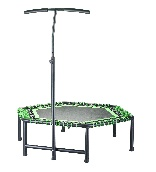
The round ones are great for people who want predictable bouncing right in the middle, which makes them perfect for working on balance alone. Most new exercisers seem to gravitate toward these too, with about 8 out of 10 beginners saying they like how consistently they bounce back (according to Exercise Equipment Survey 2023). Rectangular trampolines have something different going on though. They tend to give around 22 percent better response when someone lands near the sides, which is why athletes often use them for those explosive jumps needed in sports training. And then there are hexagons that mix things up, combining elements from both shapes. These work well in homes where multiple people jump around together since they handle different styles of bouncing pretty well across their entire surface area.
Foldable designs and portability for home fitness convenience
Foldable trampolines that come with retractable legs or collapsible frames are game changers when it comes to storing them in small city apartments. Many models weigh less than 15 pounds and have convenient handles so they can fit standing up in closet corners or even underneath beds where space is tight. Even though these portable versions take up less room, manufacturers haven't cut corners on safety features like non slip foot pads and sturdy steel joints. The better ones actually come equipped with wheels which makes putting them together super quick, often taking less than a minute or two. Travel enthusiasts will appreciate the ultra portable rebounders made from aircraft grade aluminum frames that work great in hotel rooms while still holding plenty of weight, somewhere around 250 to 300 pounds typically.
Ensuring Safety and Long-Term Value with Smart Usage
Warm-up routines and proper form to maximize health benefits of trampolining
Starting off with dynamic moves such as leg swings and torso twists helps wake up those core muscles while cutting down injury chances by around 32% when compared to just holding static stretches according to research from Journal of Sports Science back in 2022. When jumping around, keep the spine straight but not stiff, and try landing gently right at the middle of whatever surface we're using so the force gets spread out properly across the body. Locking those knees or letting the back arch too much is something to watch out for since bad technique actually causes about half of all strain injuries related to bouncing activities on trampolines or similar equipment.
Incorporating interval training for improved cardiovascular health
Alternate 45-second bursts of high knees or star jumps with 15 seconds of gentle bouncing to sustainably elevate heart rates. This method burns 24% more calories than steady-paced routines while minimizing joint stress. Research shows combining trampoline intervals with strength exercises improves VO₂ max 19% faster than traditional cardio.
Maintaining frame stability and construction integrity over time
Inspect springs monthly for rust or stretching, replacing any showing 1.5mm+ diameter reduction. Clean PVC mats with pH-neutral cleaners to prevent UV degradation, and store foldable models away from moisture. Always adhere to the manufacturer’s weight limits–exceeding capacity by 25% accelerates frame fatigue by threefold.
FAQ
What is rebounding?
Rebounding involves performing exercises such as jumping on trampolines, providing cardiovascular, strength, and balance benefits.
What are the benefits of using a trampoline?
Trampoline exercises improve cardiovascular health, enhance muscle strength and balance, aid stress reduction, and provide a low-impact workout reducing joint strain.
How do I choose the right trampoline?
Consider factors like your fitness goals, trampoline size, material quality, frame strength, and safety features when choosing a trampoline.
Is trampolining good for joint health?
Yes, trampolining is a low-impact exercise that absorbs 87% of impact forces, protecting joints, especially beneficial for arthritis patients or during postpartum recovery.
Table of Contents
- Understanding the Fitness Benefits of Rebounding
- Matching Trampoline Types to Your Fitness Goals
-
Key Features to Consider When Choosing a Trampoline
- Frame Quality and Durability: Steel Gauge and Rust Resistance
- Mat and Spring Quality: Performance and Longevity Factors
- Tension Type (Springs vs. Bungee Cords): Impact on Bounce Quality
- Safety Padding and Enclosure Systems for Injury Prevention
- Weight Capacity: Matching Trampoline Limits to User Needs
- Size, Portability, and Practical Setup Considerations
- Ensuring Safety and Long-Term Value with Smart Usage
- FAQ