 EN
EN
Why Pilates Equipment Is a Catalyst for Sustainable Business Diversification
Market Shift: Rising Demand for Equipment-Based Pilates Services
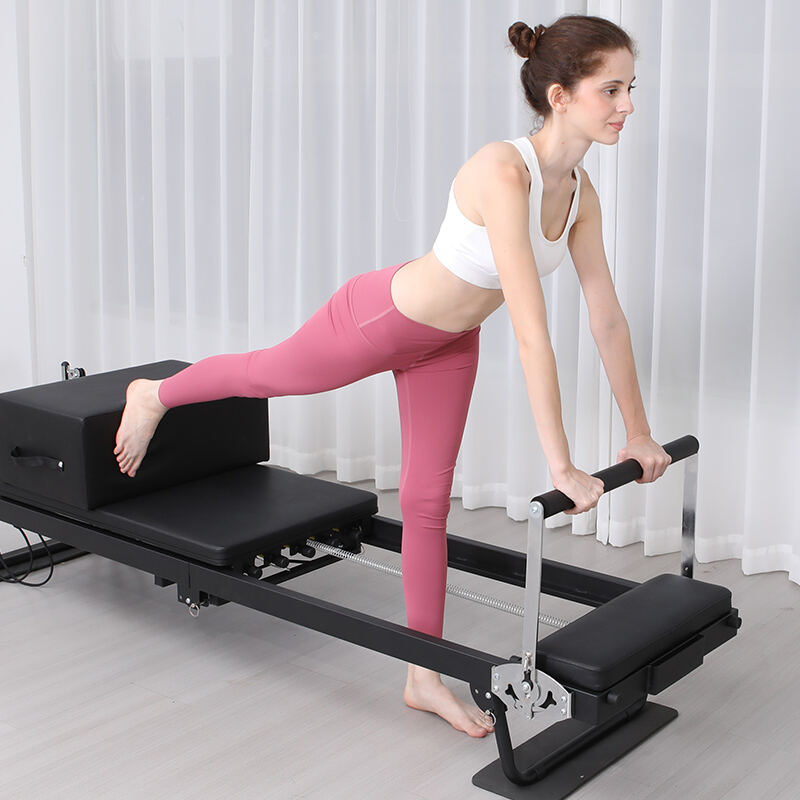
Pilates studios across the country are seeing big changes these days, especially when it comes to equipment-based classes where reformers reign supreme. Many studios actually see around 40 percent better client retention rates from reformer sessions than regular mat classes. Why? The machines offer something special – they provide resistance exactly where needed, allow for gradual increases in difficulty, and give that spine relief most people crave. Traditional mat work just can't compete with that kind of tailored workout experience. People today want results fast, and they're ready to spend extra cash on it too. Some studies suggest folks will shell out anywhere from 20 to 30 percent more for reformer classes over basic mat sessions. For studio owners, this means attracting clients who value quality and consistency, which helps smooth out those rough spots during off seasons. Plus, newer reformer models come with adjustable settings that make them accessible to all sorts of people, from competitive athletes needing intense training to seniors wanting gentle exercise and even individuals recovering from injuries.
Strategic Advantage: Reducing Revenue Volatility Through Service Layering
Integrating tiered equipment programming creates a sustainable revenue ladder that reduces dependence on low-margin mat classes. A layered service model diversifies income streams while encouraging client progression:
| Service Tier | Revenue Stability Factor | Client Acquisition Cost Offset |
|---|---|---|
| Introductory Mat | Low | High |
| Group Reformer | Medium | Medium |
| Specialized Equipment | High | Low |
Studios that start clients on mat classes then gradually move them into group reformer work and eventually onto advanced equipment like the Cadillac or Tower tend to see much better long term results from their customers. The specialized programs fill in those empty spots on the schedule too. Many people sign up for rehab sessions or performance training during times when regular classes aren't happening, and they're willing to pay extra for these services. From a business standpoint, this approach creates steadier income throughout the week while boosting what each customer spends overall. Clients who get access to all the fancy machines typically spend around three and a half times more over their entire membership compared to someone who just does mats.
Expanding Client Reach with Targeted Pilates Equipment Programming
From Reformer Basics to Specialized Tracks: Prenatal, Rehab, and Athletic Pilates
When studios go beyond basic reformer classes, they open doors to new customer groups through specialized equipment setups. Take prenatal Pilates for instance it adjusts the spring tension and uses wider carriages so pregnant women can stay safe while getting their core workout without putting too much strain on their bodies. Many moms-to-be are looking for this kind of gentle exercise these days. For people recovering from injuries, there's rehab-focused programming that includes things like shoulder blocks and footstraps. These help with movement that doesn't hurt joints and builds strength slowly over time. Athletes wanting to boost their game often gravitate toward programs using springboards and push-through bars. They work on explosive movements and balance that matters in sports performance. The numbers tell an interesting story too. Studios that offer these different tracks tend to keep clients around 30% longer than those sticking to just the basics. When clients see their specific needs being met through proper equipment, they naturally stick with the studio longer.
Balancing Accessibility and Premium Value: Group Reformers vs. Private Sessions
Balancing different service models helps studios get the most out of their equipment while still making money. Group reformer classes are great for people who want to try things out before committing. These classes fill up pretty well most of the time, which means the studio can run multiple sessions throughout the day without losing much profit per person. On the other side of things, private sessions bring in extra cash because they use fancy stuff like Towers and trapezes for personalized workouts that push limits. People willing to pay more for these specialized sessions typically shell out around 40 to 60 percent more than what group classes cost. The combination works wonders for businesses trying to attract everyone from budget minded beginners to serious fitness enthusiasts looking for maximum results. Industry reports show that studios mixing up their offerings tend to have about 25 percent better financial consistency compared to places stuck with just one type of class, which makes sense when thinking about how unpredictable customer preferences can be.
Differentiating Your Studio in a Competitive Landscape Using Pilates Innovation
Beyond the Reformer: Integrating Cadillac, Tower, and Hybrid Pilates Systems
Reformers still play a big role in most Pilates studios, but when studios bring in Cadillac machines, Tower units, and hybrid setups, they open up whole new worlds of training possibilities that really set them apart from competitors. Take the Cadillac for instance, sometimes called a trapeze table. It lets people do hanging exercises that gently stretch the spine and help with mobility issues. This makes it especially good for folks recovering from injuries or expecting mothers who need extra support during workouts. Then there are those Tower units which let trainees work on vertical strength through spring resistance pull ups and leg extensions. Clients actually see better results in their daily activities because of these exercises. Hybrid systems combine reformer beds with tower bars so instructors can switch between different movement directions effortlessly. This kind of setup works wonders for athletes preparing for specific sports. Studios that invest in this variety of equipment tend to build special programs tailored to niche markets ranging from injured individuals getting back on track to professional athletes looking to gain an edge. According to industry reports, places that adopt this multi-layered approach keep their customers coming back about 30% more often than others. That means happier clients overall and steadier income streams for business owners.
Tech-Enhanced Pilates: How Smart Reformers Elevate Engagement and Retention
Reformers with built-in sensors and artificial intelligence are changing how clients interact with their workouts, turning what used to be guesswork into something we can actually measure. The smart systems keep tabs on things like spring tension, how far someone moves during exercises, and whether their body stays balanced side to side. They give immediate feedback if someone's form starts to drift off track, which helps prevent injuries and makes techniques better over time. Clients love seeing their progress on screens that show numbers they can understand. One person might notice their core strength went up around 15% after working out eight times. Studies from several studios indicate people stick with programs about 40% longer when they can actually see improvements happening. For trainers, all this data means they can customize classes for groups without spending extra hours planning. Instead of generic routines, they adjust based on what the numbers tell them about each participant. Studios using this tech offer experiences that regular home machines just cant match. People feel like they're getting something special worth paying for month after month.
Optimizing ROI: Revenue Models and Scalable Equipment Investment Strategies
Getting good returns on Pilates gear needs some smart thinking backed by actual numbers rather than just gut feelings. When looking at what to spend money on, studios need to consider how much money they expect to make from special classes, whether clients will stick around longer, and how much time and money goes into keeping everything running smoothly. Starting small makes sense too. Many places begin with just one Cadillac machine before going all out. This lets them see if people actually want those classes and keeps their cash reserves intact during the learning curve. Going for equipment that can be rearranged or adapted is wise because it grows with the business over time. No need to buy new stuff every time they change up their class offerings. Smart reformers definitely belong in this category since they offer features that let studios charge different prices for different services, which helps stand out from competitors. Checking regularly which machines aren't getting enough love pays off big time. Studios can then move them somewhere else where they'll get more use or sell them altogether. Keeping track of all this stuff creates steady growth without putting the whole business at risk financially.
FAQs
What are the benefits of using Pilates equipment like reformers?
Pilates equipment such as reformers provide targeted resistance, allow for ease of difficulty adjustment, and offer spine relief, resulting in higher client retention and satisfaction.
How can layered service models benefit Pilates studios?
Layered service models help diversify income streams. They involve graduating clients from mat classes to more advanced equipment-based programming, leading to improved customer long-term retention and revenue stability.
What specialized Pilates programs can attract a wider audience?
Specialized Pilates programs like prenatal, rehab-focused training, and athletic performance setups can attract a wider audience by meeting distinct physical needs with tailored equipment and exercises.
How do smart reformers enhance Pilates practice?
Smart reformers with AI and sensors monitor clients' progress, offer feedback, and customize workouts based on individual performance, which increases client engagement and program retention.
Table of Contents
- Why Pilates Equipment Is a Catalyst for Sustainable Business Diversification
- Expanding Client Reach with Targeted Pilates Equipment Programming
- Differentiating Your Studio in a Competitive Landscape Using Pilates Innovation
- Optimizing ROI: Revenue Models and Scalable Equipment Investment Strategies
- FAQs