
 EN
EN
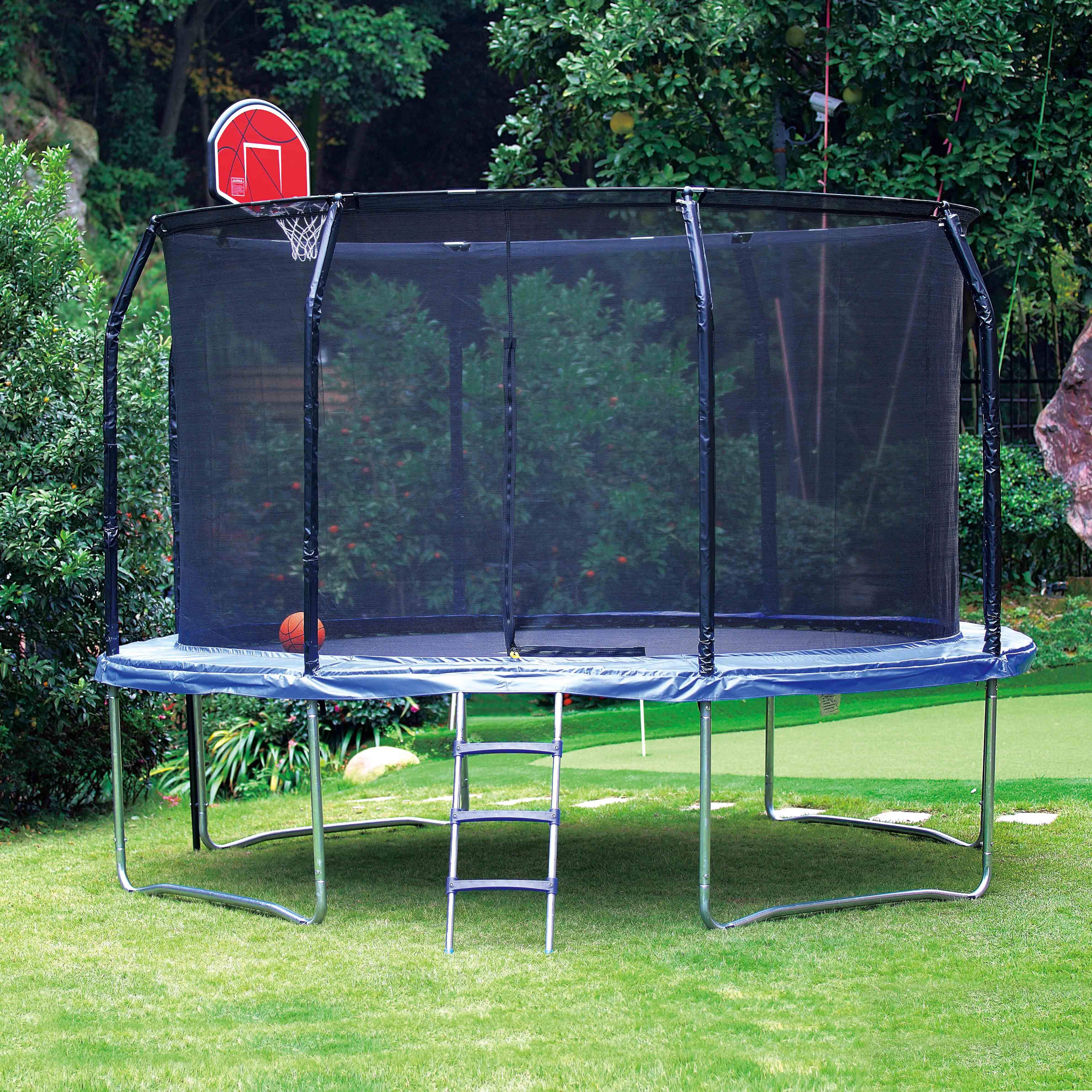
Outdoor Trampolines: A High-Efficiency Cardiovascular Workout for Summer
How outdoor trampoline jumping elevates heart rate and metabolic efficiency
Bouncing on an outdoor trampoline gives the heart a real workout that's both dynamic and surprisingly efficient. When someone jumps, muscles have to work fast and breathing needs to stay in sync, which makes the heart beat harder and faster. The whole body gets involved in this bouncing motion, burning calories without putting too much strain on the joints. Trampolines actually cushion landings pretty well too. Studies show they absorb around three quarters of the impact force compared to jumping on hard surfaces like sidewalks or driveways. This means less wear and tear on knees and ankles while still keeping the heart rate up. Some interesting research from NASA even suggests that trampolining might be almost twice as good for the cardiovascular system as regular jogging. Many fitness experts point to these findings because they really highlight how trampolining builds functional strength and endurance in ways that translate to everyday activities.
Calorie burn comparison: Outdoor trampolining vs. other summer activities
When it comes to burning calories during summer fun, outdoor trampolining really shines compared to other seasonal activities. Thirty minutes of serious bouncing can torch around 200 to 250 kcal, which is pretty much what someone burns when jogging at 6 mph (about 240-300 kcal). That's actually more than what most people expend during leisurely cycling (around 150-190 kcal) or even moderate swimming sessions (roughly 180-220 kcal). The reason trampolining works so well lies in how it combines heart pumping action with all sorts of muscle engagement. Unlike regular cardio workouts where movement stays predictable, every bounce on a trampoline demands balance adjustments, quick bursts of speed, and controlled landings from different angles. So while working up a sweat, folks are also improving their coordination without putting as much strain on joints as running or playing tennis would. This makes trampolining particularly great for families too. Kids love jumping around, parents enjoy getting some exercise without feeling like they're going through the motions, and everyone ends up creating lasting memories together instead of just checking off another workout item on a list.
Building Strength and Bone Health—Safely and Naturally Outdoors
Low-impact, high-yield muscle and bone stimulation from outdoor bouncing
Using outdoor trampolines provides something special for our bones and muscles. They offer just enough weight bearing to actually help build stronger bones but aren't so harsh that people can't keep doing them regularly. When someone lands on a trampoline after jumping, gravity works on the body which helps activate those bone building cells called osteoblasts. Research has found that people who jump consistently see their bone mineral density go up by around 2 to 3 percent over time. What makes trampolining stand out is how easy it is on the joints. The bounce mat spreads out the force much better than concrete or asphalt does. This is why many doctors recommend trampolines especially for seniors or anyone dealing with early signs of weak bones.
Building muscle happens pretty much on its own when jumping around. Each time someone bounces, their quads and calves kick in to push off the mat while the core muscles work hard to keep things stable during flight. The back muscles especially come into play when landing safely after a big jump. What makes this different from working out at the gym is that trampolining actually teaches the body how to move properly rather than just building isolated muscle groups. This kind of training boosts both strength and awareness of body position in space. Plus, being outside adds another layer of benefit. When people jump outdoors, they deal with uneven ground underfoot, feel the air pushing against them, and adjust to changing light conditions all day long. These factors put the balance system through its paces in ways no indoor facility ever could match.
Outdoor Trampolines as Catalysts for Coordination, Balance, and Sensory Development
Motor skill progression in children through unstructured outdoor trampoline play
Letting kids bounce around on trampolines outside actually helps their bodies learn a lot about movement. The bouncy surface forces them to constantly adjust how they stand and move, which works those deep core muscles, improves where their feet land, and makes them better at knowing where their body is in space. When children try different jumps, spin around, or land carefully, their brains start getting really good at processing all these sensations. This kind of play builds those important connections between body and mind that lead to better coordination, quicker reactions, and steadier balance overall. Studies have found that kids who jump on trampolines regularly pick up basic movement skills such as hopping, skipping, and balancing on one leg about 30 percent quicker compared to other kids doing more planned activities that don't vary as much.
Sensory integration and emotional regulation benefits of outdoor bouncing
When kids bounce on an outdoor trampoline, their bodies experience this up and down movement that gives important signals to the brain's sensory systems. Research shows that all this jumping around actually lowers stress hormones like cortisol by about 25% when they keep at it for a while, which helps them calm down and concentrate better. Kids who think differently from most people especially seem to benefit from the steady rhythm plus the feeling of knowing where their body is in space. It creates a calming effect that helps regulate how excited or wound up they get, making it easier to pay attention for longer periods. Throw in some sunshine that boosts vitamin D production and keeps our internal clock running smoothly, along with fresh air that generally makes everyone feel happier and sharper mentally, and suddenly trampolining outside isn't just fun anymore. It turns into something pretty special for developing healthy nervous systems without needing fancy equipment or complicated setups.
Family Bonding and Consistent Activity: The Social Power of Outdoor Trampolines in Summer
Putting an outdoor trampoline in the backyard turns what was just grass into something much more than that. Suddenly there's action happening at all hours. Parents will often jump in with their kids during those early morning sessions, while teenagers love showing off their latest flips and tricks. Even grandparents sometimes get involved, bouncing gently as they chat. What makes this stuff special is how it brings people together. Laughter comes out naturally when someone lands a cool move, conversations happen between jumps instead of being interrupted by phone notifications, and nobody even notices when screens start getting left behind because everyone's too busy having fun together.
Accessibility really matters when it comes to keeping people consistent with their exercise routines. Outdoor fitness gear that works for everyone from kids to grandparents makes getting moving every day much easier. A study published in the Journal of Family Health back in 2023 found something interesting about families who own home trampolines. These households tend to stay active about 30 percent more often during the week compared to families that depend on going to gyms at specific times or participating in organized sports events. Games where people take turns help develop teamwork skills. When groups tackle challenges together, like trying to jump in sync or complete balance relays, they learn how to communicate better and support each other. What makes this approach special is that there's no strict structure to follow. This flexibility helps build emotional intelligence over time as participants naturally learn patience, give encouragement, and become more resilient through real life experiences rather than just theory.
| Benefit | Impact on Family Dynamics |
|---|---|
| Shared Experiences | Creates lasting memories & traditions |
| Communication Boost | Facilitates natural conversation |
| Activity Consistency | Promotes year-round healthy habits |
Ultimately, the outdoor trampoline transcends its function as exercise equipment. It becomes a cornerstone of family culture—where physical health, emotional safety, and joyful connection converge.
FAQ
Are outdoor trampolines suitable for all ages?
Yes, outdoor trampolines can be enjoyed by individuals of all ages, from kids to grandparents. Safety precautions should be observed, such as using safety net enclosures and supervising young children.
How do outdoor trampolines benefit bone health?
Outdoor trampolines provide low-impact weight-bearing activity that stimulates osteoblasts, promoting increases in bone mineral density while minimizing joint strain.
Do trampolines improve coordination and motor skills?
Yes, the requirement to continually adjust balance on a trampoline enhances coordination and motor skills, particularly in children.
Can trampolining help with emotional regulation in children?
Trampolining aids in emotional regulation by engaging the sensory system and reducing stress hormones, helping children to relax and focus better.
Table of Contents
- Outdoor Trampolines: A High-Efficiency Cardiovascular Workout for Summer
- Building Strength and Bone Health—Safely and Naturally Outdoors
- Outdoor Trampolines as Catalysts for Coordination, Balance, and Sensory Development
- Family Bonding and Consistent Activity: The Social Power of Outdoor Trampolines in Summer
- FAQ